
Solutions
Machine vision
Do you want to improve the quality of your products, detect defects better and optimise your production process? Vision and measurement systems have become indispensable in industrial automation!
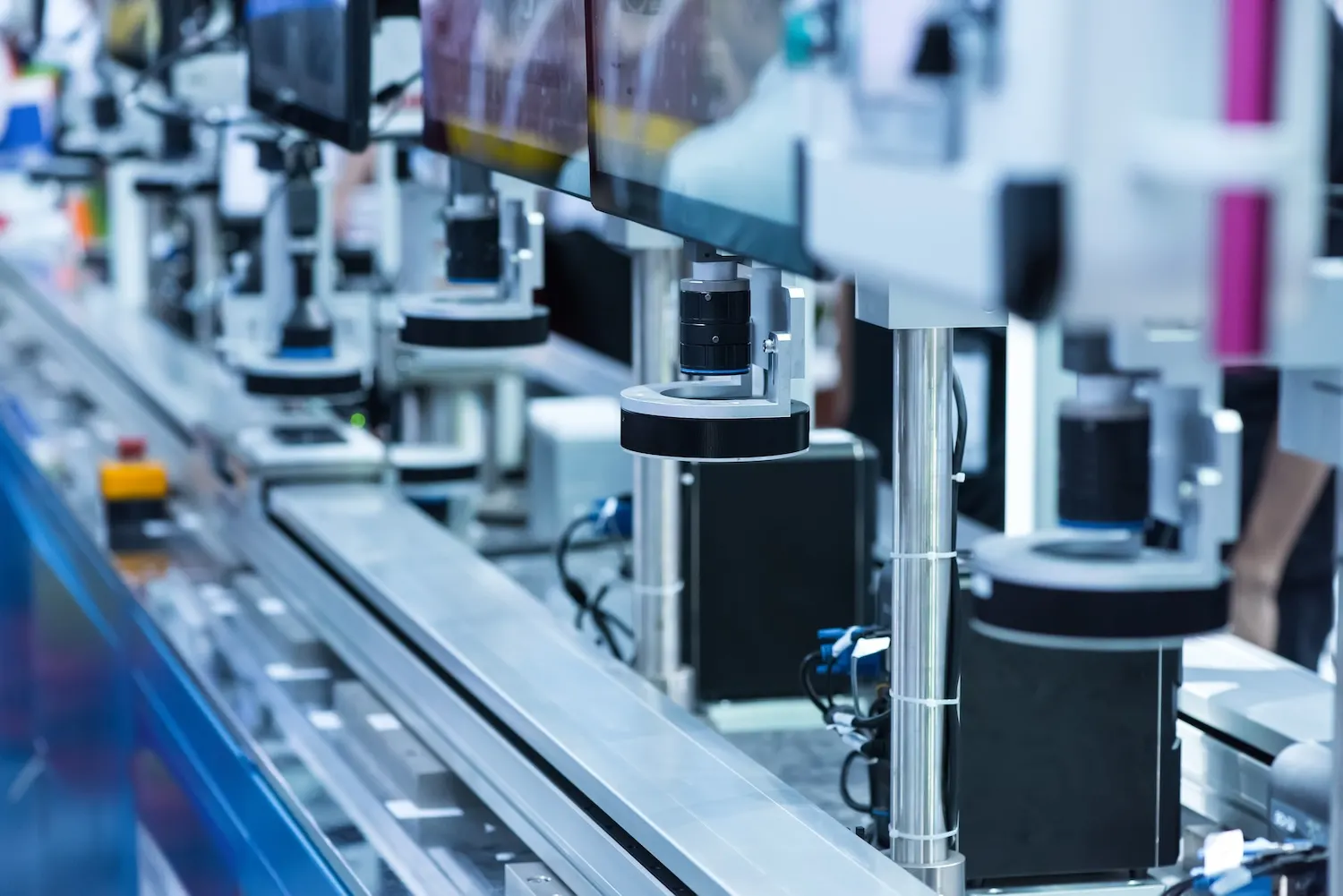
These advanced technologies combine camera technology, sensors and intelligent image processing for precise inspection of products and production processes. Vision systems are used to recognise, inspect, measure and trace objects. Think of reading barcodes and QR codes, checking labels and detecting surface defects. Measuring systems, in turn, carry out highly accurate measurements, such as dimensional checks and position detection. Thanks to advanced algorithms and AI technology, deviations can be detected automatically, product quality can be safeguarded and production processes can be organised more efficiently.
Push the boundaries of your production process?
Applications
How can machine vision be used on the production floor?
-
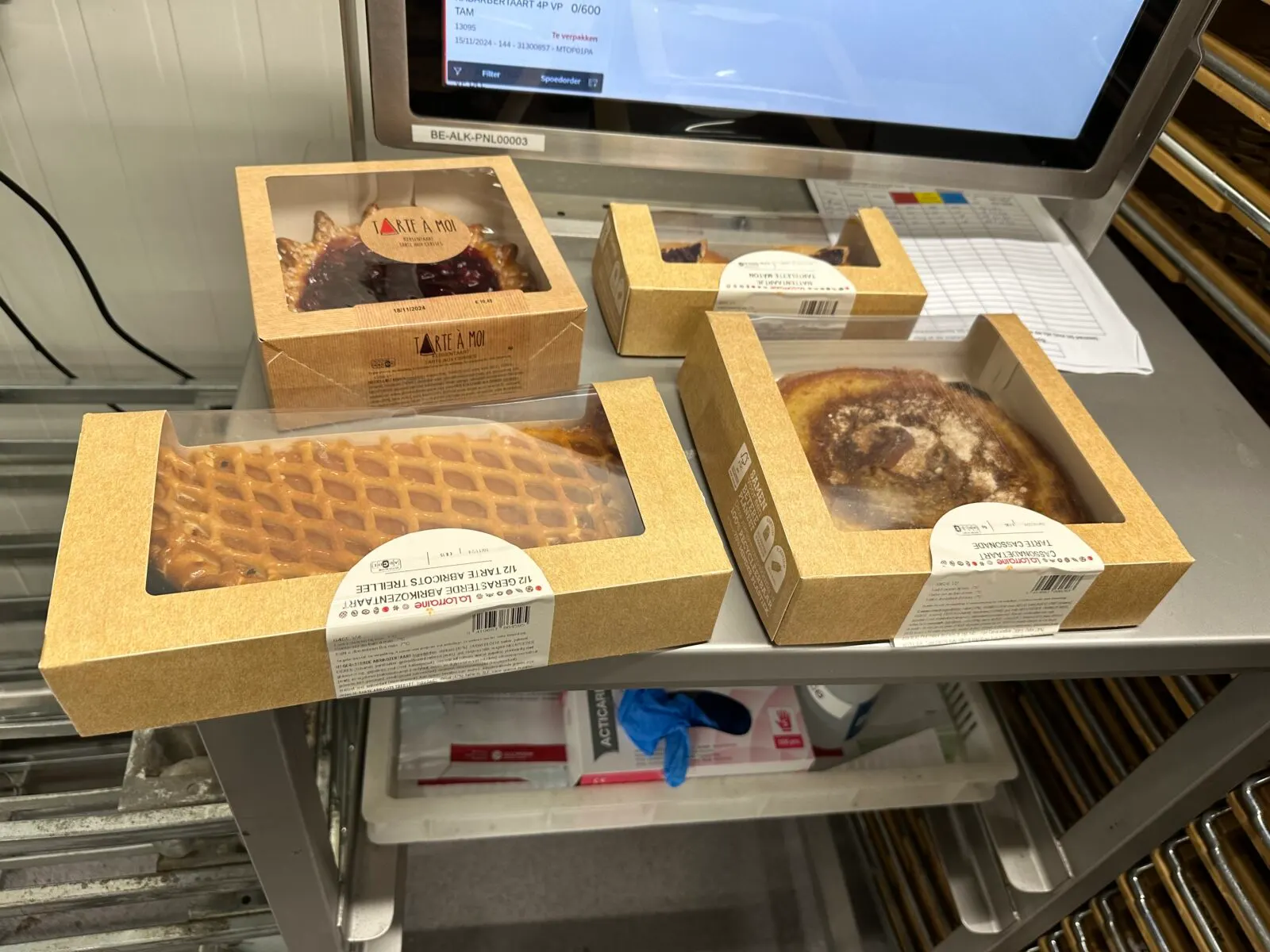
Label and print inspection
Checking that every label is present, correctly positioned and contains the right, legible data.
-
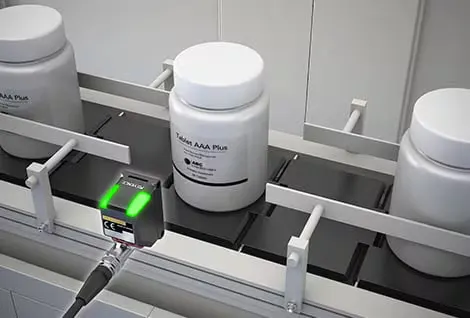
Reading barcodes and QR codes
Reading codes automatically and linking them to your production data, for full traceability of every product.
-
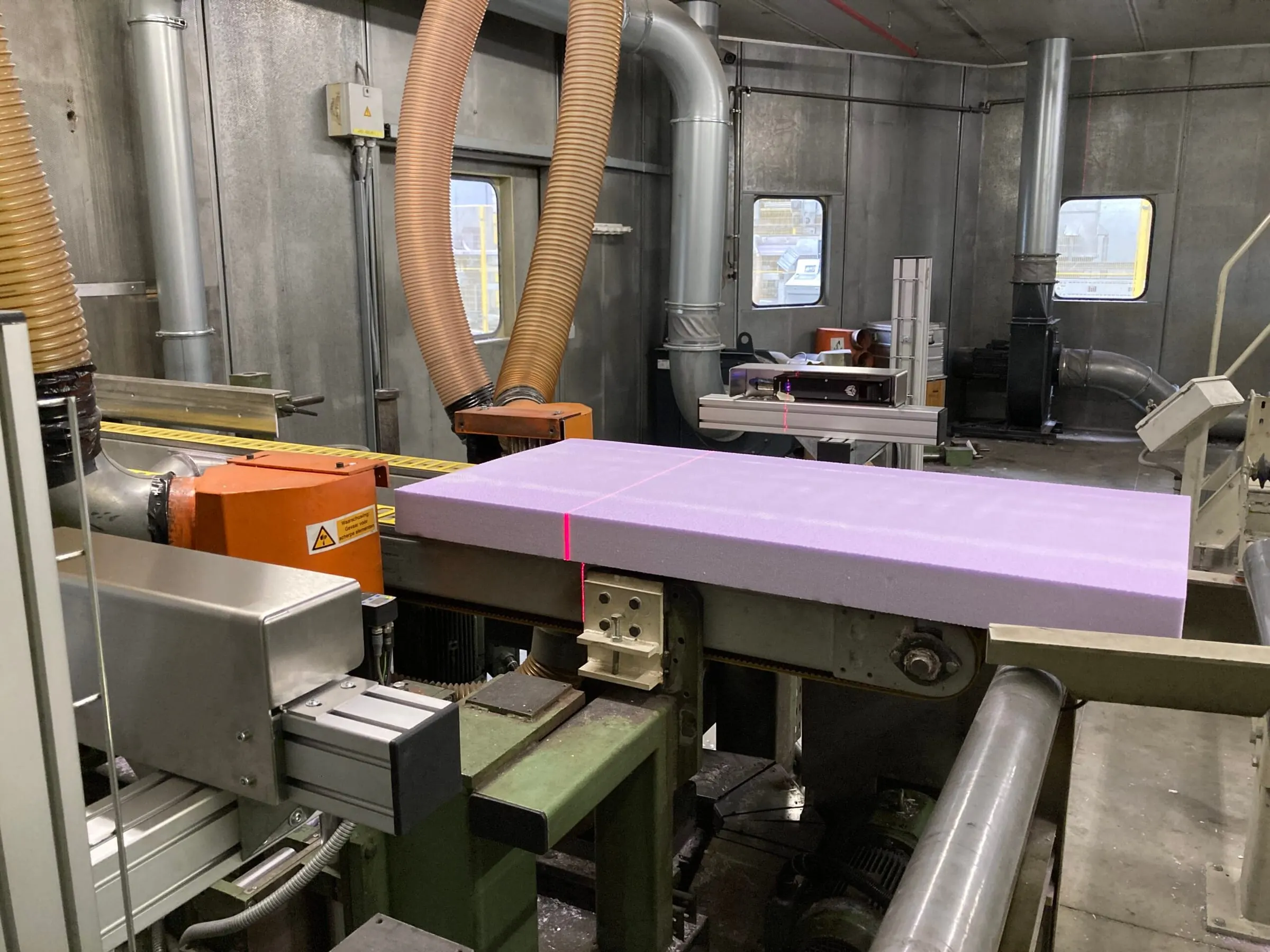
2D and 3D measurement
Measuring dimensions, flatness and profiles of moving products, down to a tenth of a millimetre.
-
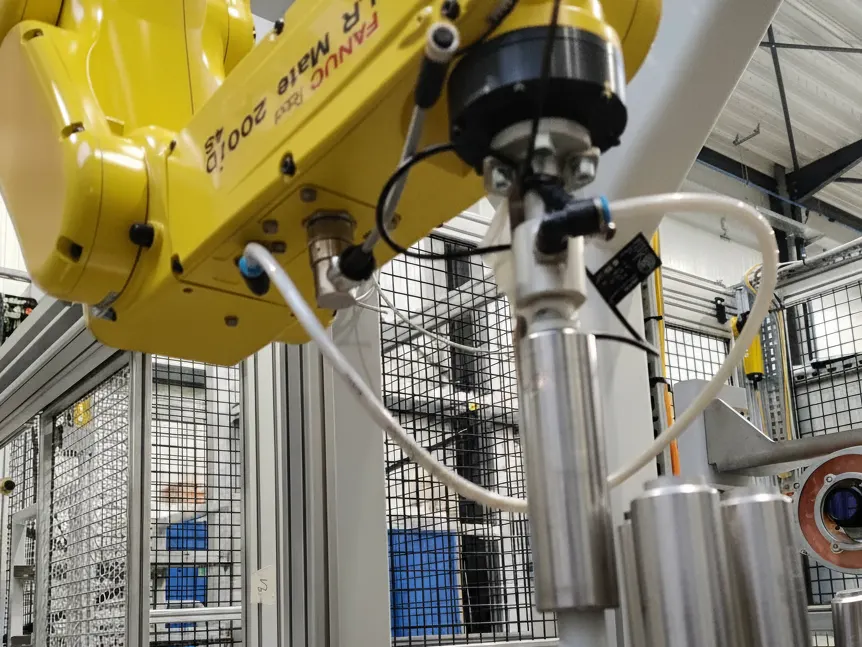
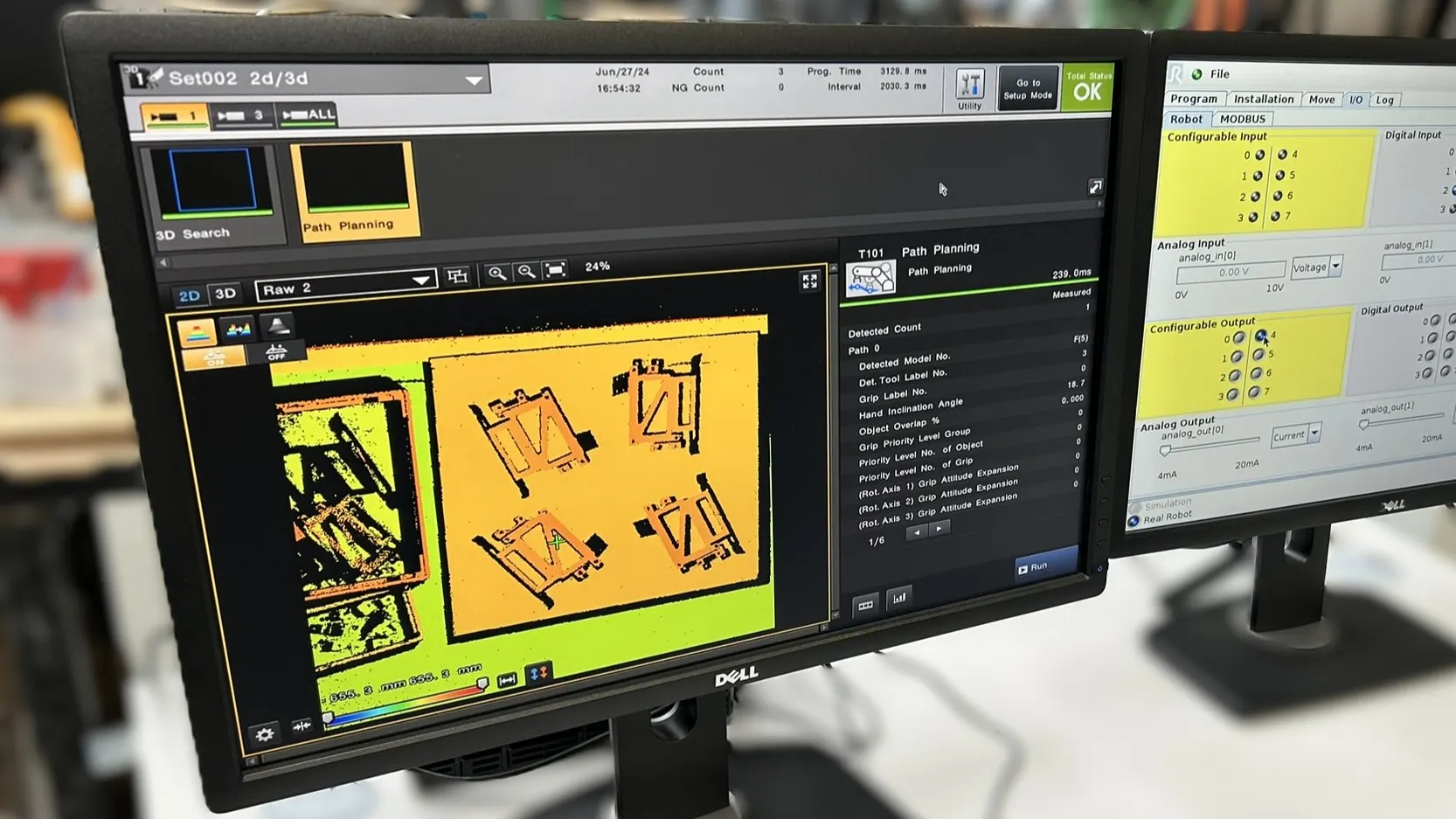
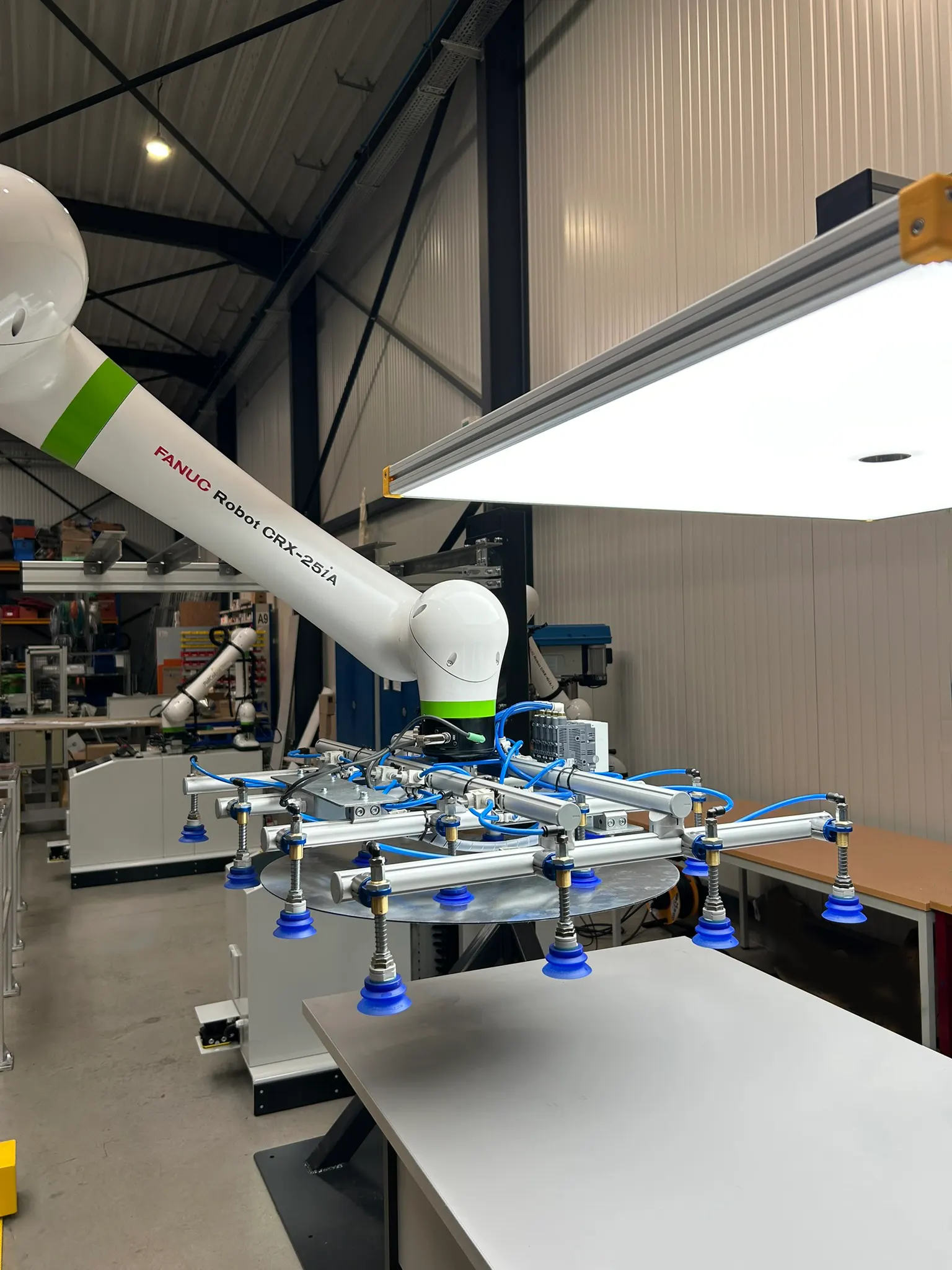
Vision-guided robotics & bin picking
A camera determines the position and orientation of products, so a robot can pick up randomly placed parts.
-
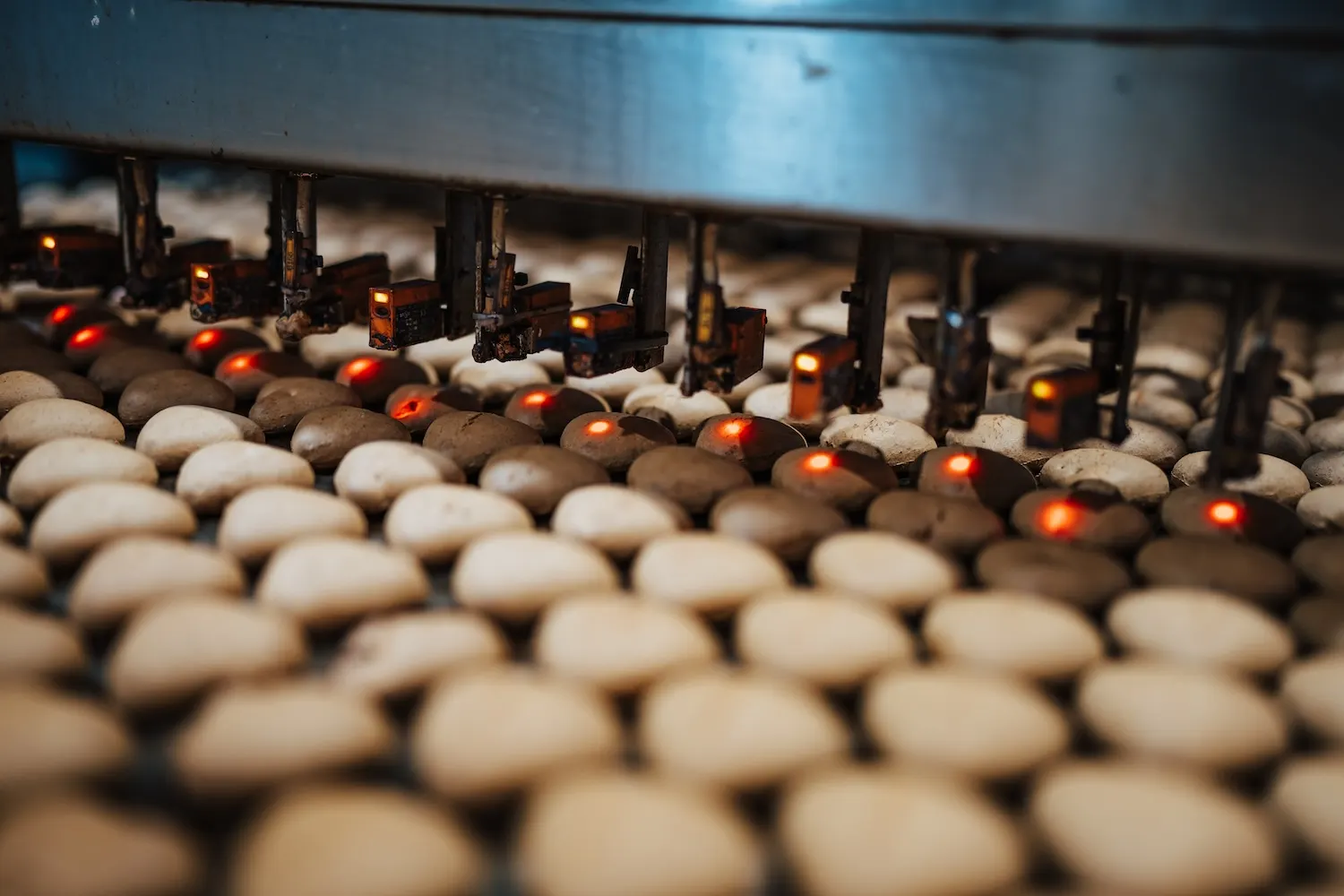
Detecting defects and deviations
Spotting scratches, deformations, colour differences or foreign particles before the product leaves your factory.
-
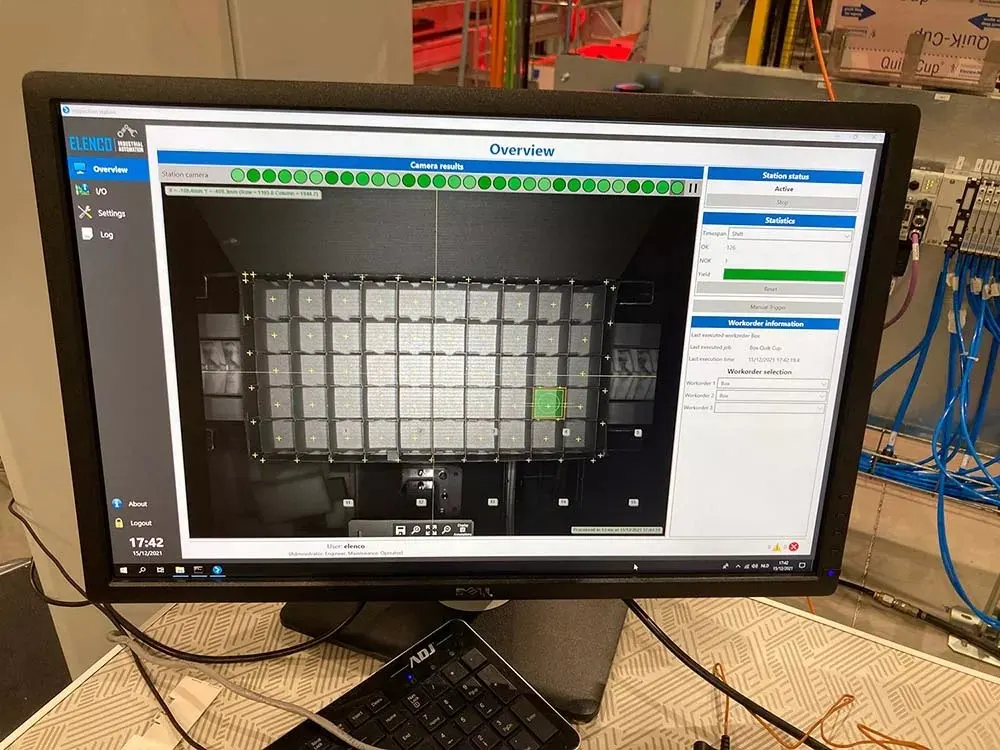
Presence and completeness checks
Checking whether every part is present and/or in the right place. Counting parts where needed to verify the required quantity.
Our expertise
Elenco, your expert in vision and measurement systems
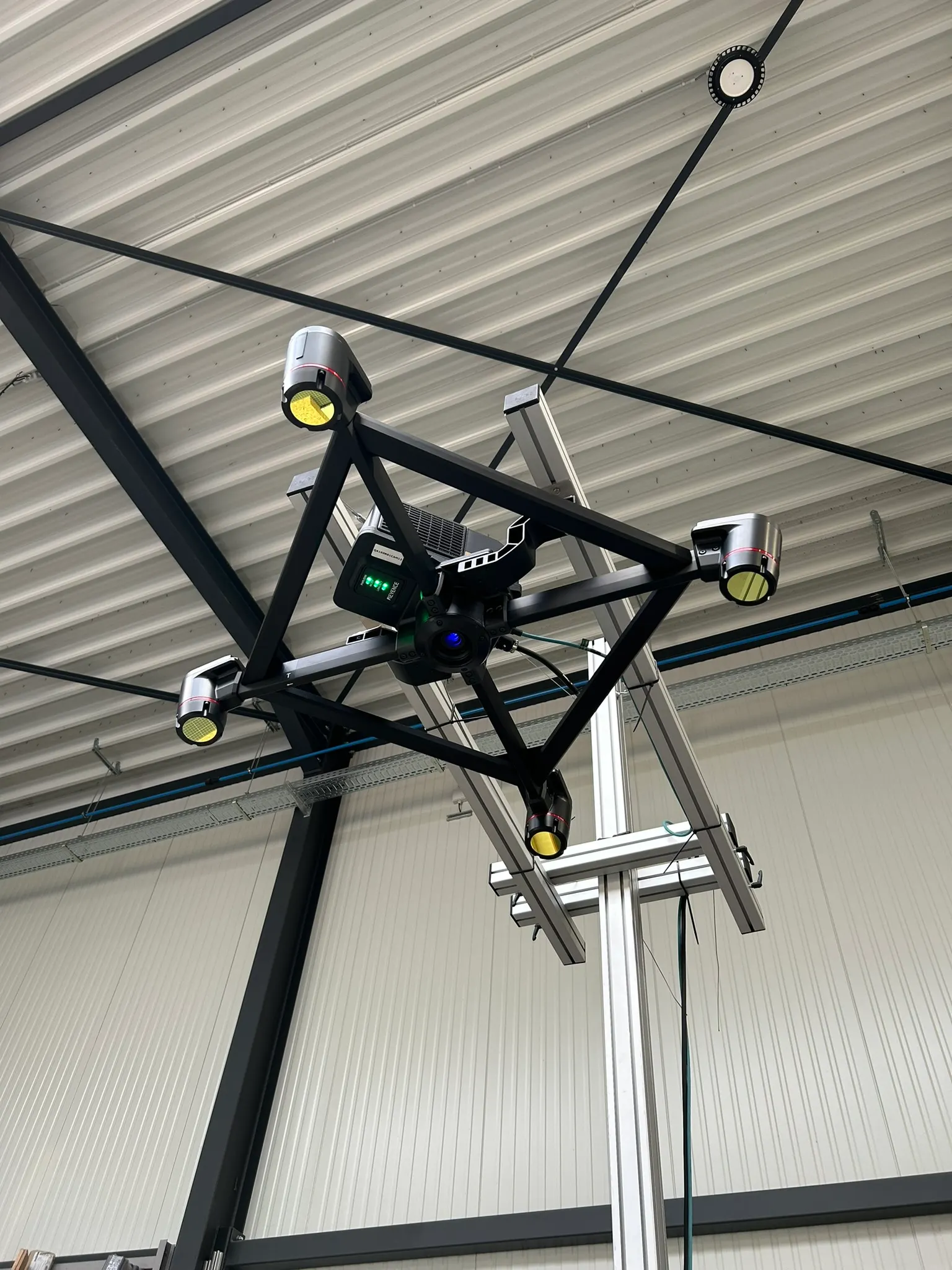
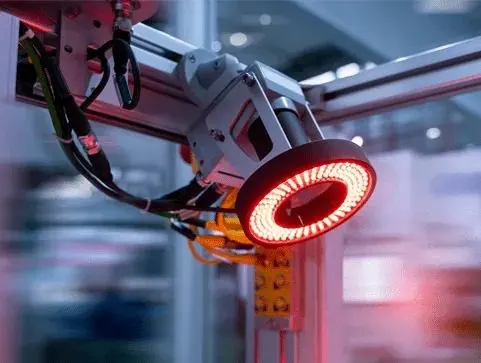
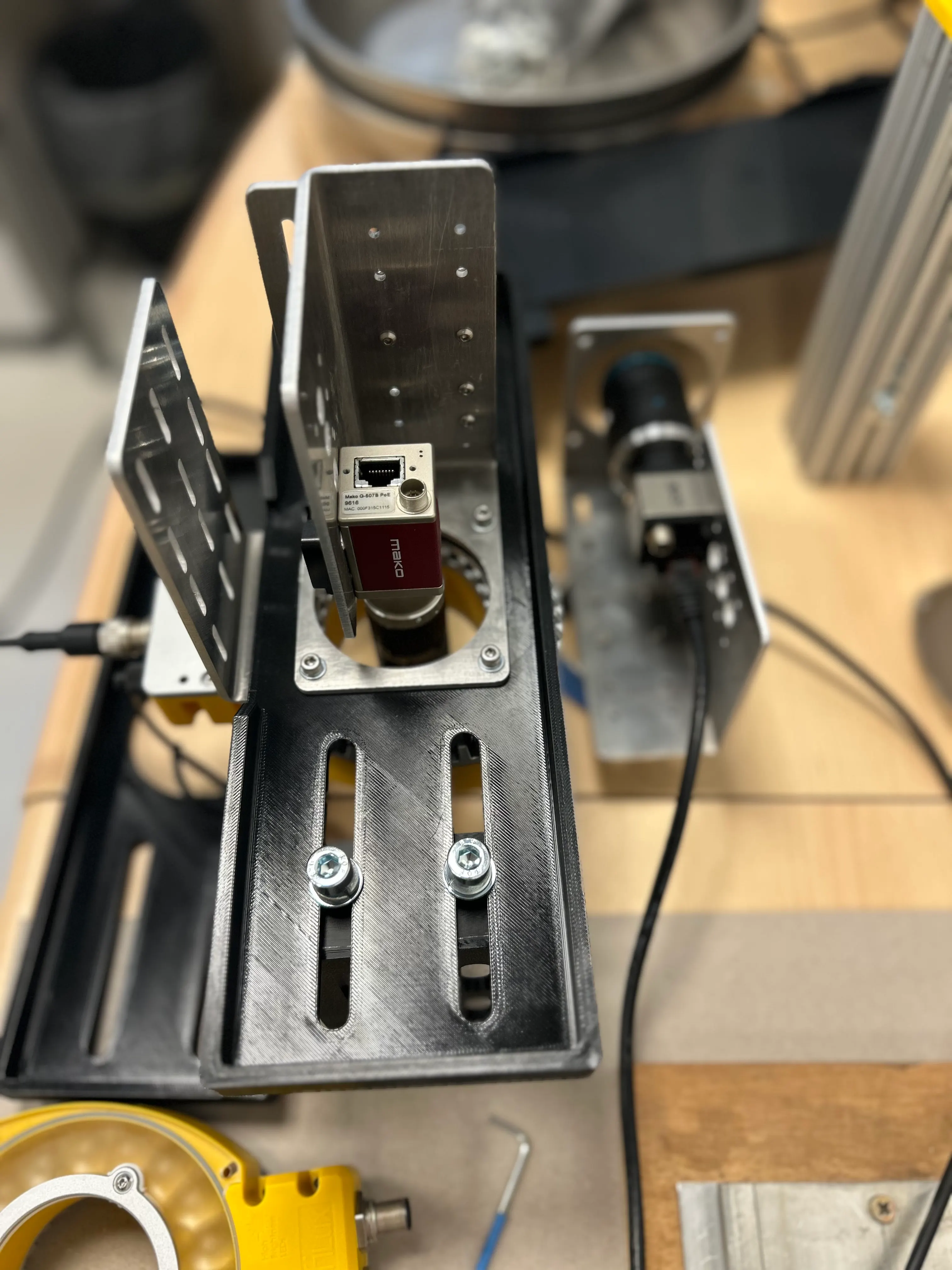
Alongside standard vision systems from leading manufacturers such as Keyence, SICK and Cognex, we also develop custom solutions. We select the right 2D or 3D camera and, where needed, program our own machine vision software with HALCON. Thanks to our in-house testing facilities, we investigate which cameras, lenses and lighting techniques give the best result for your application. For complex or innovative projects, we carry out a preliminary study to assess feasibility and determine the right components. That is how we turn even the most challenging inspection questions into a reliable solution.
Projects
that push
boundaries
-
- Food & beverages
- Vision and measurement systems
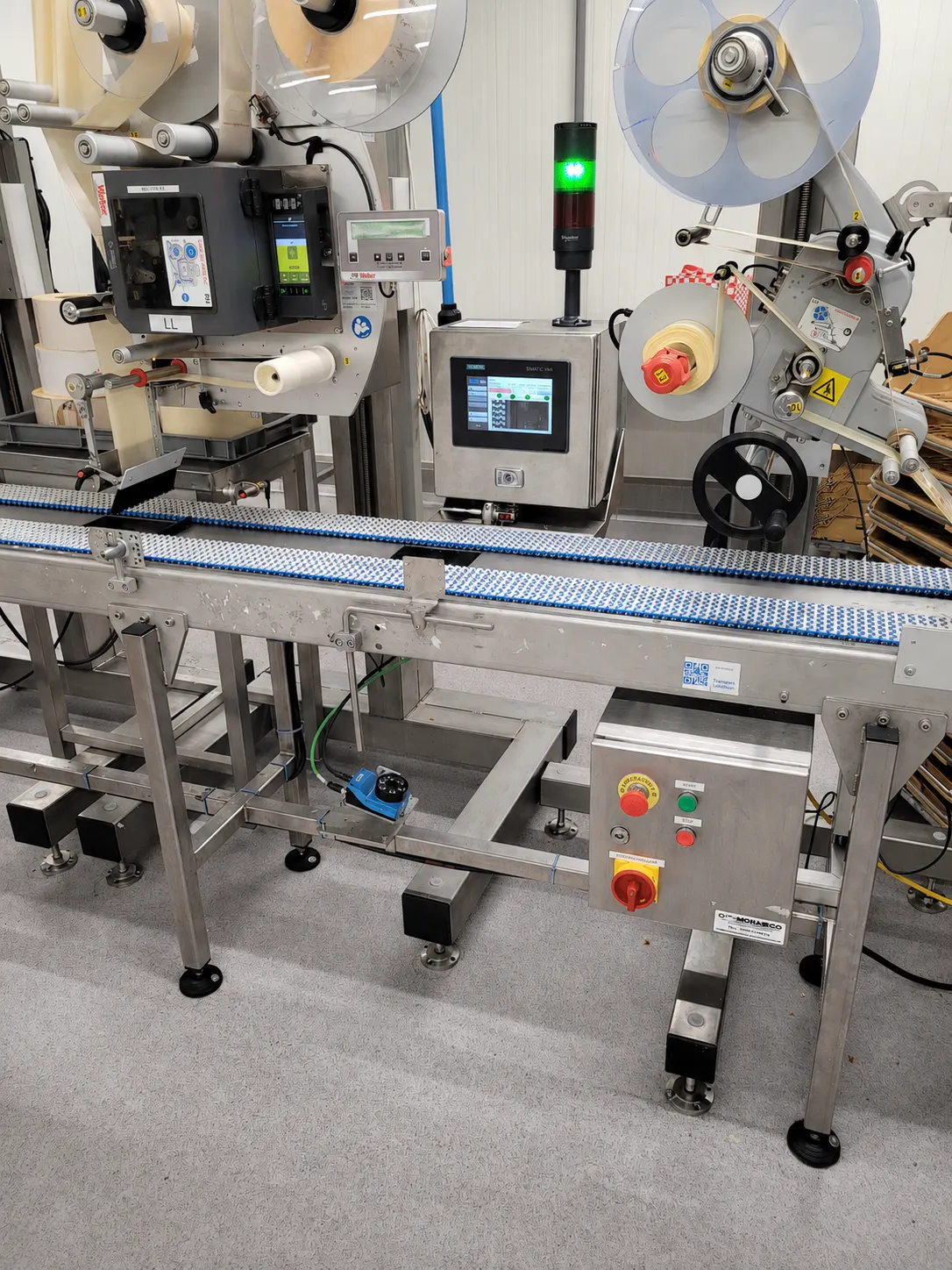
Smart label inspection at La Lorraine
-
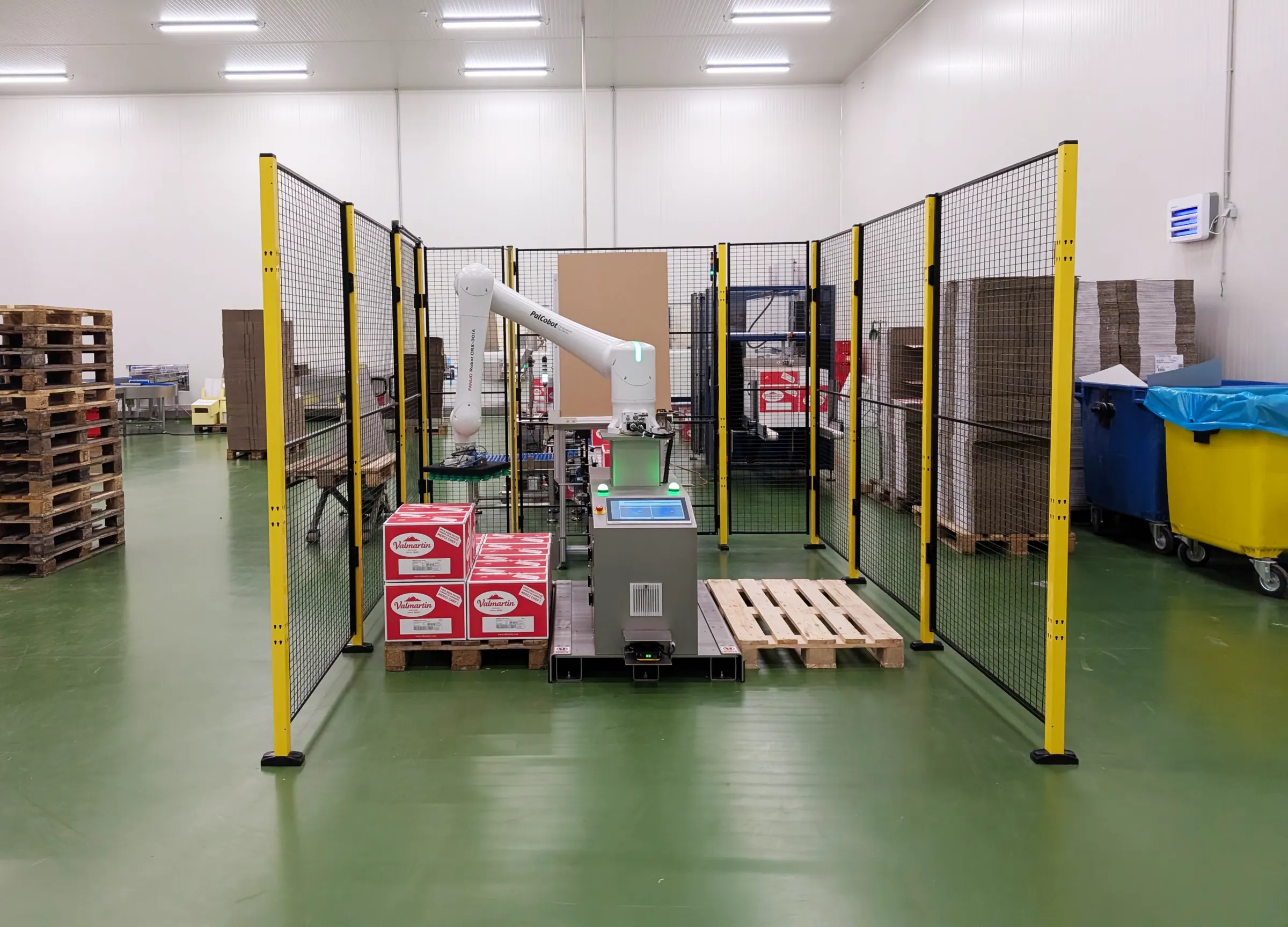
- Food & beverages
- Collaborative robots
Efficient palletising in the food industry: a compact PalCobot solution for F.F.P. NV
-
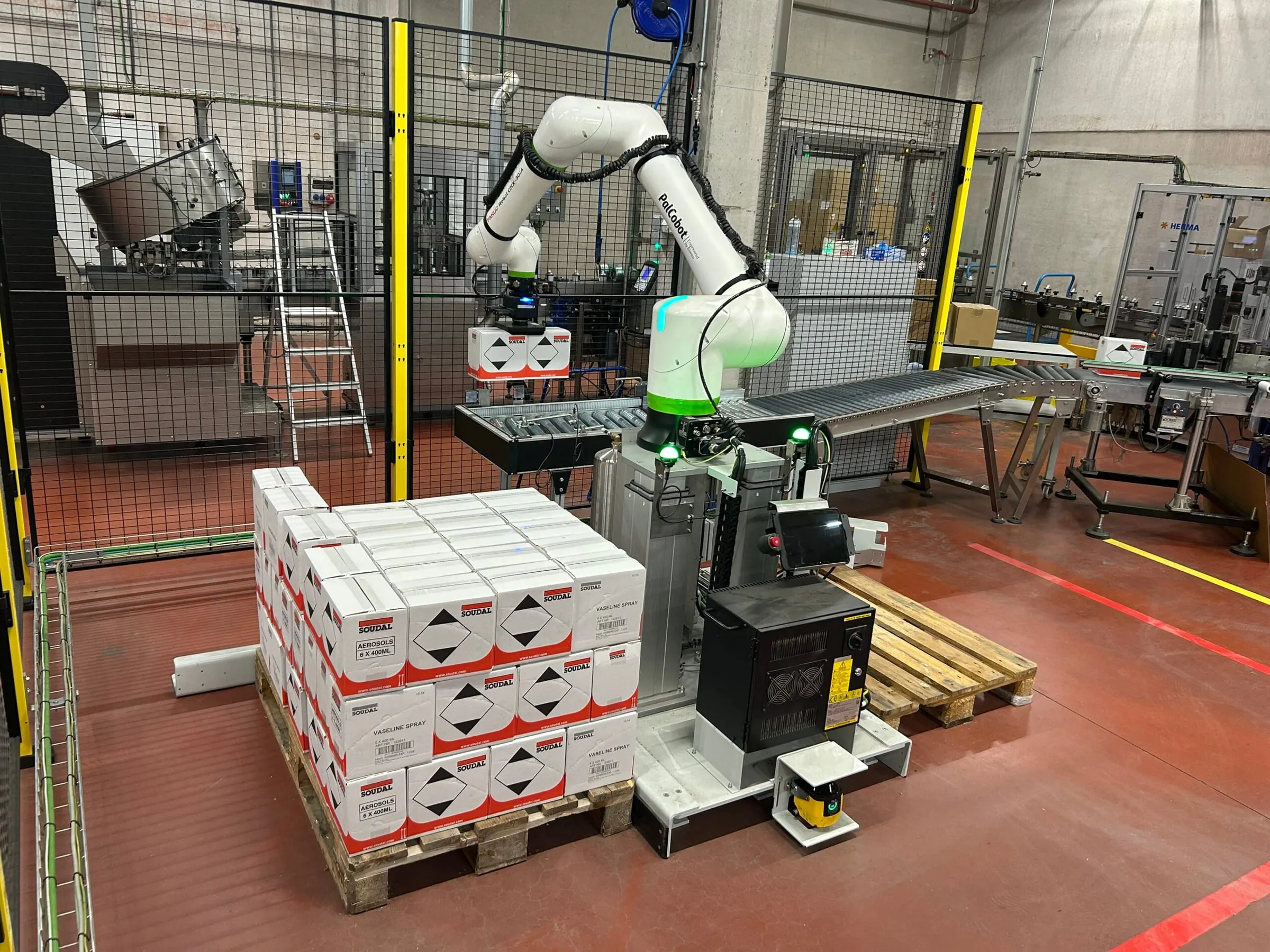
- Building & construction
- Consumer goods
- Collaborative robots
High-mix, low-volume cobot palletiser at Aerotrim
-
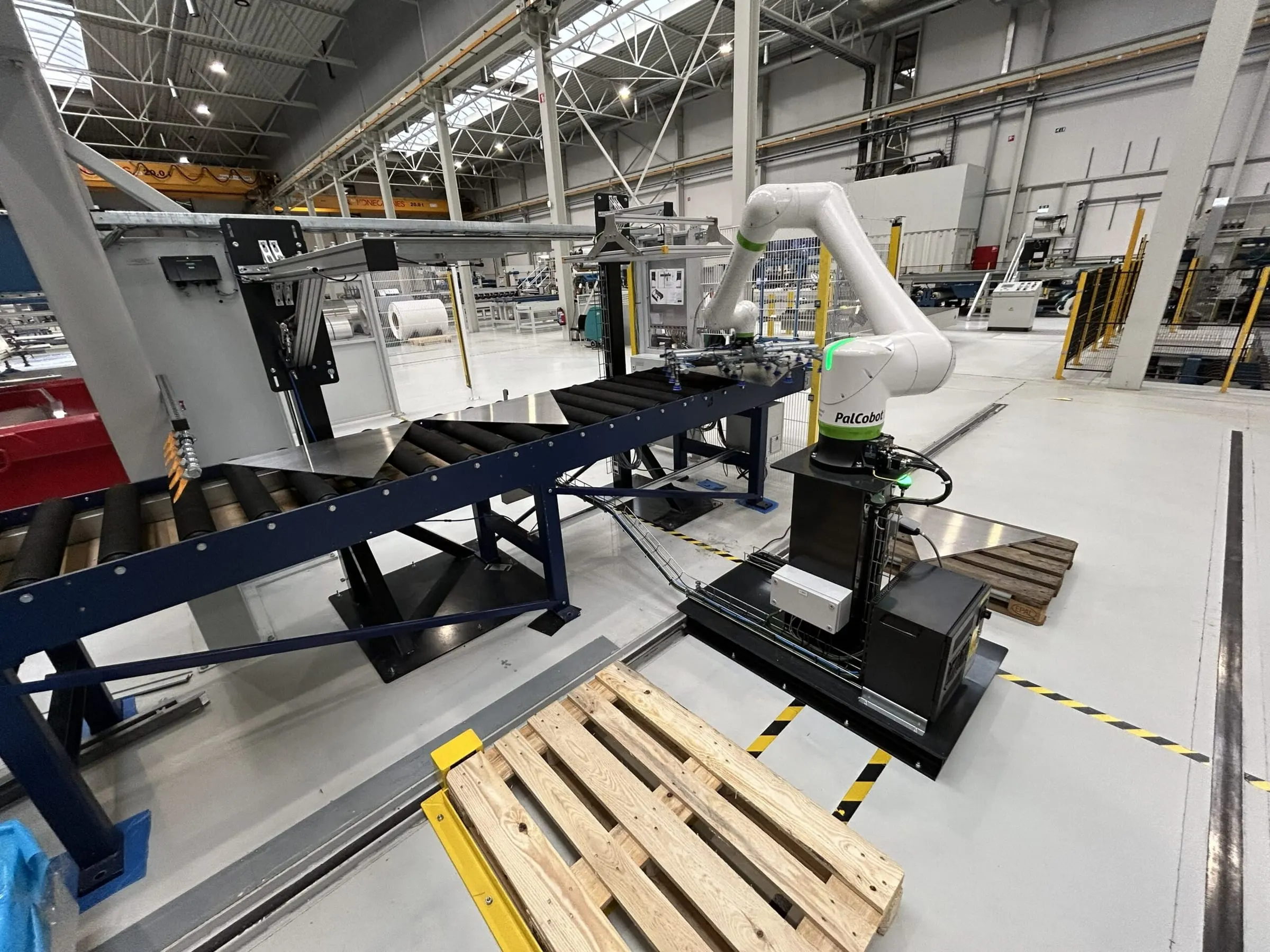
- Building & construction
- Collaborative robots
- Vision and measurement systems
Flexible stacking of CNC-milled metal shapes with cobot & vision at Decomecc
-
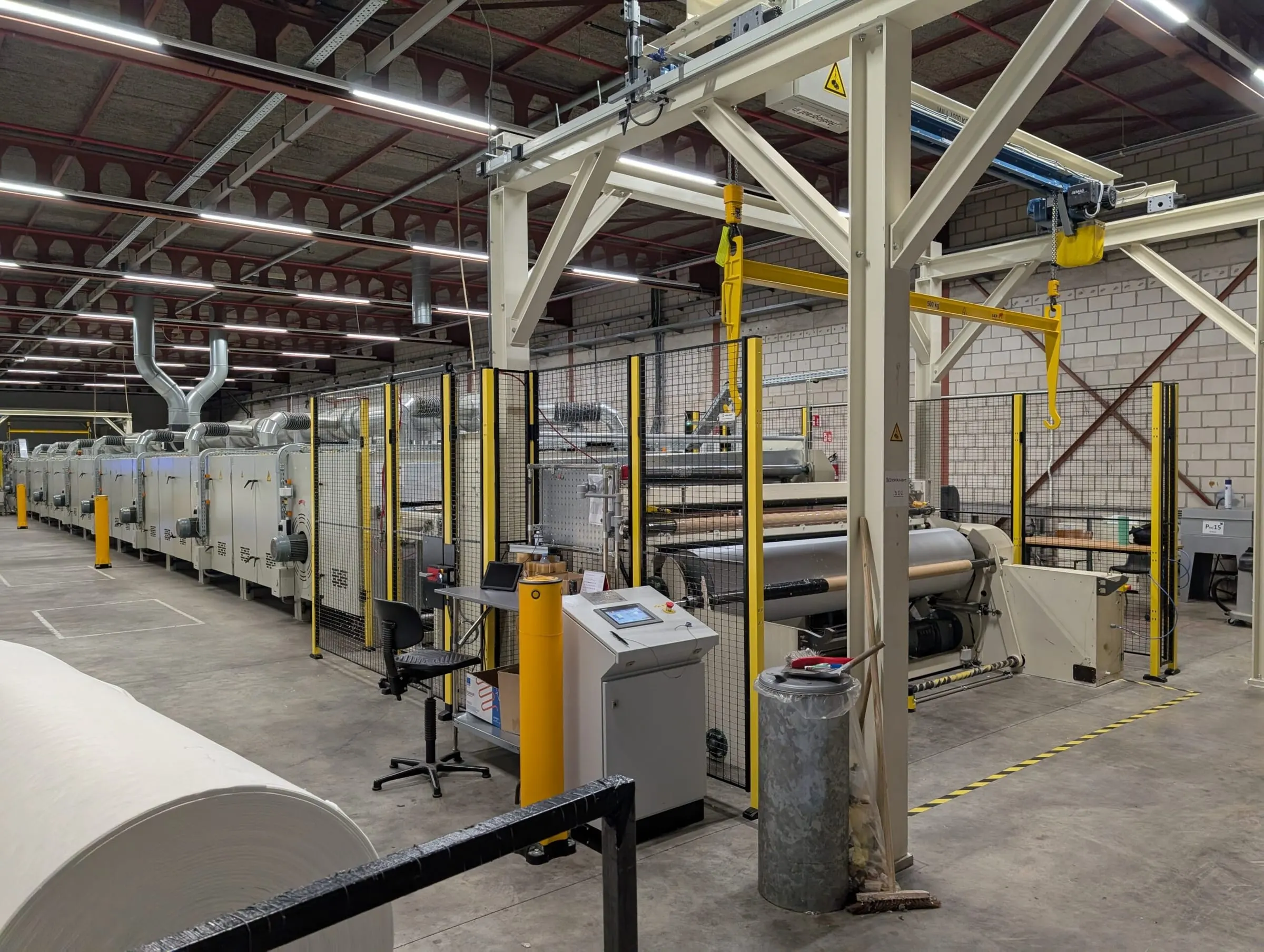
- Consumer goods
- Industrial electrical engineering
- PLC / PC programming
Hydrocharger safety upgrade according to ISO 13849-1: from analysis to implementation!
-
- Consumer goods
- Food & beverages
- Printing industry
- Collaborative robots
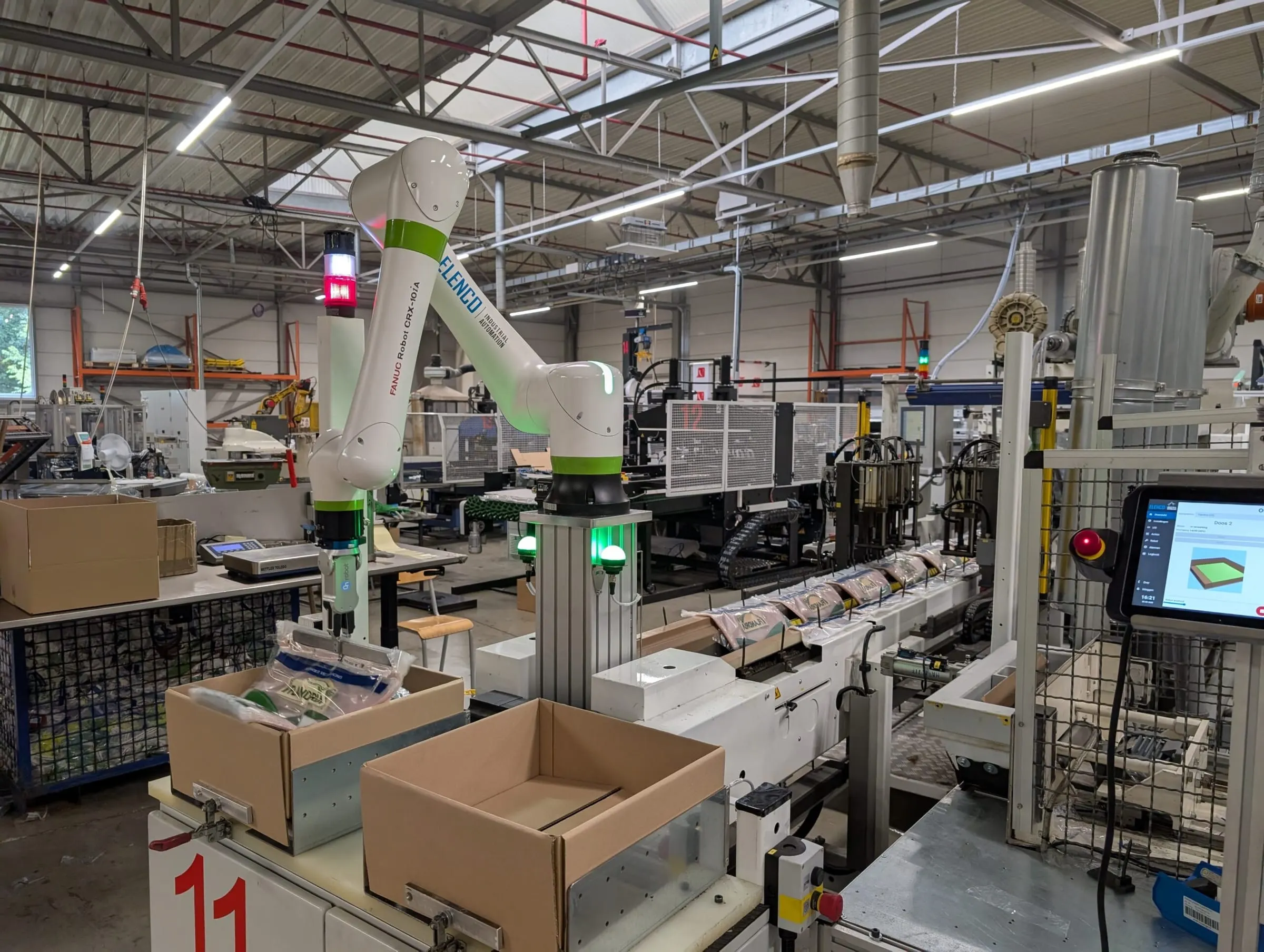
More efficient packaging at Alpagro thanks to a cobot installation!
-
- Building & construction
- PLC / PC programming
- Vision and measurement systems
3D vision system at JACKON Insulation
-
- Consumer goods
- Collaborative robots
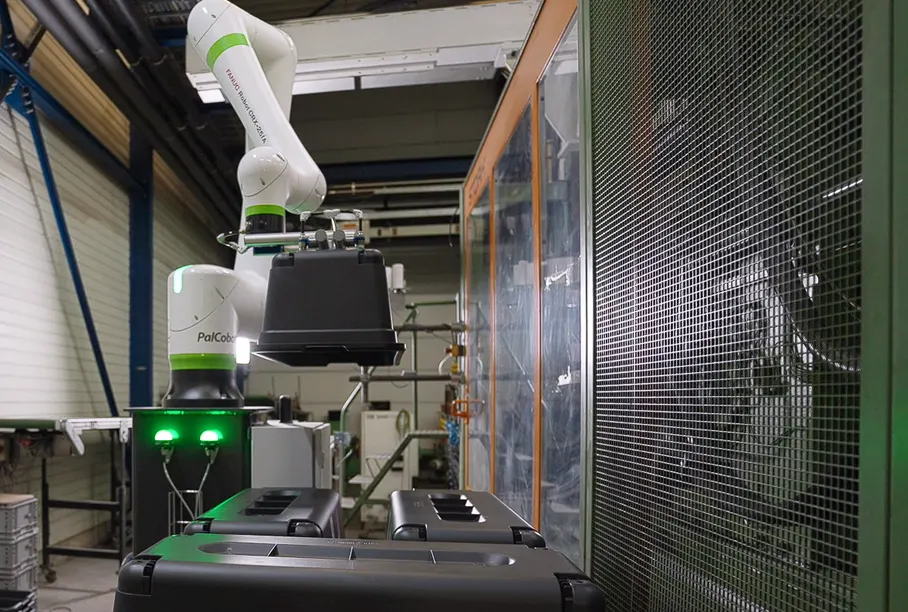
Production automation at Jumi Plastics: 3 cobot palletisers
-
- Building & construction
- PLC / PC programming
- Vision and measurement systems
From manual box filling to a fully automatic filling process
-
- Building & construction
- Industrial electrical engineering
- PLC / PC programming
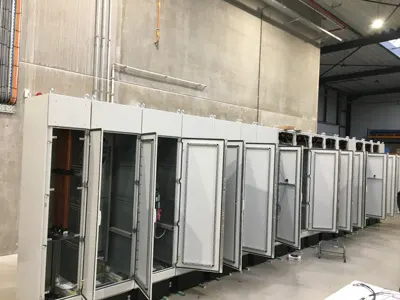
Cooling tower electrification at a stainless steel producer
-
- Printing industry
- Industrial electrical engineering
- PLC / PC programming
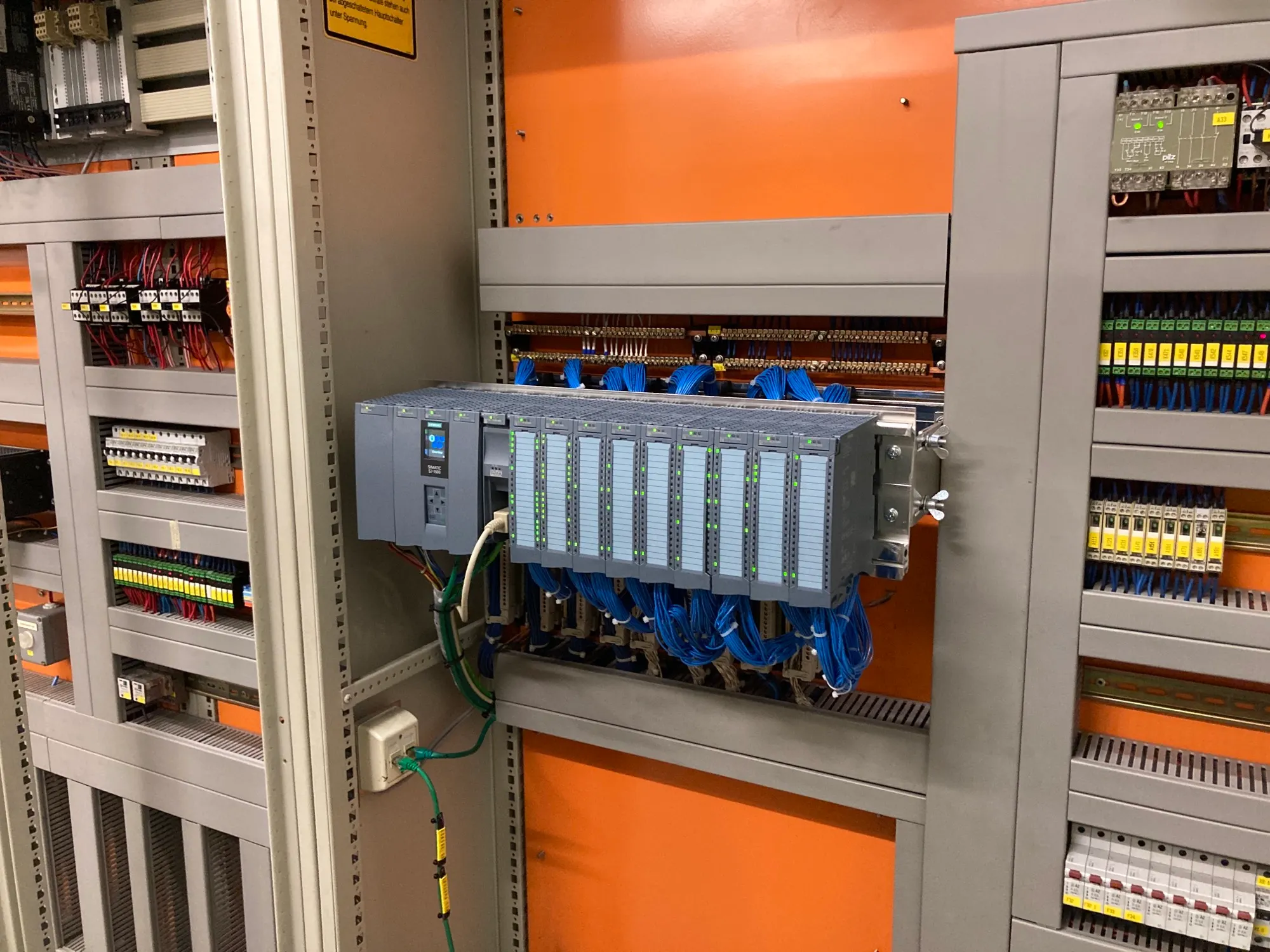
PLC retrofit at a toner factory – Xeikon
Industries
Expertise in your industry
- Pharma
- Food & beverages
- Construction and manufacturing
- Consumer goods
- Recycling & waste processing
- Printing industry
Is your sector not on the list above? We may still be able to help you. Contact us for more information.
Frequently asked questions
Questions about machine vision
Here you'll find answers to the questions customers ask us most often about vision and measurement systems. Is your question not listed? Our experts are happy to help.
-
What is the difference between an ordinary camera and a vision system?
A camera only takes an image. A vision system combines an industrial camera, the right lighting and software that analyses the image and makes a decision itself, for example approving or rejecting a product. The system immediately passes the result on to your machine, PLC or operator.
-
How do you know whether a vision system will work for my product?
We test it first. In-house we have the equipment to determine, with samples of your products, which camera and which lighting give the best result.
For complex or innovative projects we carry out a preliminary study, so you know in advance which components are needed and how feasible the project is. Want to see it in black and white first? Request a Proof of Concept.
-
How accurately can a vision system measure?
That depends on the type of camera, the distance from the camera to the product and the size of the product. For every project we analyse which type of camera is needed and which underlying software we need.
-
When do you use line scan cameras?
A line scan camera captures one line of pixels at a time while the product moves past underneath. Line by line, this builds a sharp image of the entire surface. We use them for fast-moving or very long products, such as paper, film, textiles, sheets or products on a conveyor, and for cylindrical products that rotate in front of the camera. When you need to detect small defects across a large width, a line scan camera is often the best choice too. When we combine the camera with a laser line, laser triangulation also lets us measure the 3D profile of the product, such as height, flatness or thickness. For stationary or smaller products, a regular area scan camera is usually enough.
-
What happens when the system detects an error?
We decide that together with you. The operator can get an immediate notification, the product can be rejected automatically or the line can stop. In addition, all results can be stored, so you can check afterwards what happened.
-
Can one vision system inspect different products?
We can configure the system to inspect different products. We then create a recipe for each product in the recipe library. At a product changeover, you select the right recipe or teach the system a new product by presenting one correct reference product.
-
When are AI or machine learning needed?
Traditional vision software works with fixed rules and is ideal for clear features such as codes, dimensions and positions. For natural products or defects that look different each time, an AI model learns by itself what is good and what is not, based on example images. We make sure this happens in a controlled way in our vision software.
-
What is deep learning and how do you use it?
Deep learning is a form of AI in which a neural network learns by itself to recognise what a good or a rejected product is, based on a set of example images. It is particularly strong for defects that are hard to capture in fixed rules, such as scratches, stains, colour deviations or natural products that look different every time. We start by collecting and labelling images of your products, train the model and test it thoroughly before it goes into production. After that, we can keep retraining the model with new images, so detection becomes ever more reliable.
-
Which software licences does a vision system need?
For custom vision systems, we work with HALCON, the vision software by MVTec. You need one licence per industrial PC, and we can connect several cameras to it. It is a lifetime licence: you pay once, without annual subscription fees. That keeps costs predictable, even when you add extra cameras to the same PC later on.
-
When is it worth combining a vision system with a cobot or robot?
The camera locates where and how a product lies and passes that position on to the robot or cobot. This way the robot or cobot can always pick up the material in the right position and then place it correctly in a machine or on a pallet.
+30
Years of
experience+750
Completed
projects+150
Satisfied
customers+200
Innovative
cobot and camera projects