
Solutions
Collaborative robots (cobots)
Want to make better use of your operators’ available time while improving ergonomics on the shop floor? With collaborative robots, also known as cobots, we automate repetitive and physically demanding tasks without taking up more production space than necessary. We turn your challenges into smart cobot solutions, fully tailored to your production process. Our experts guide you from concept and engineering to installation, programming and CE compliance.
A collaborative robot is designed to work closely with operators. Thanks to their compact design and flexible deployment, cobots are particularly well suited to production environments where space is limited. Unlike many industrial robot installations, cobot applications can often be run without fencing. Whether that is safe naturally depends on the specific application and the risk assessment carried out. Just like traditional robots, cobots take over repetitive, time-consuming, heavy or ergonomically demanding tasks. Think of packing and palletising products, loading and unloading machines or assembling parts. This gives operators more room to focus on tasks that require human expertise, while your production process runs more efficiently and consistently.
Push the boundaries of your production process?
Applications
How can a cobot be used on the production floor?
-
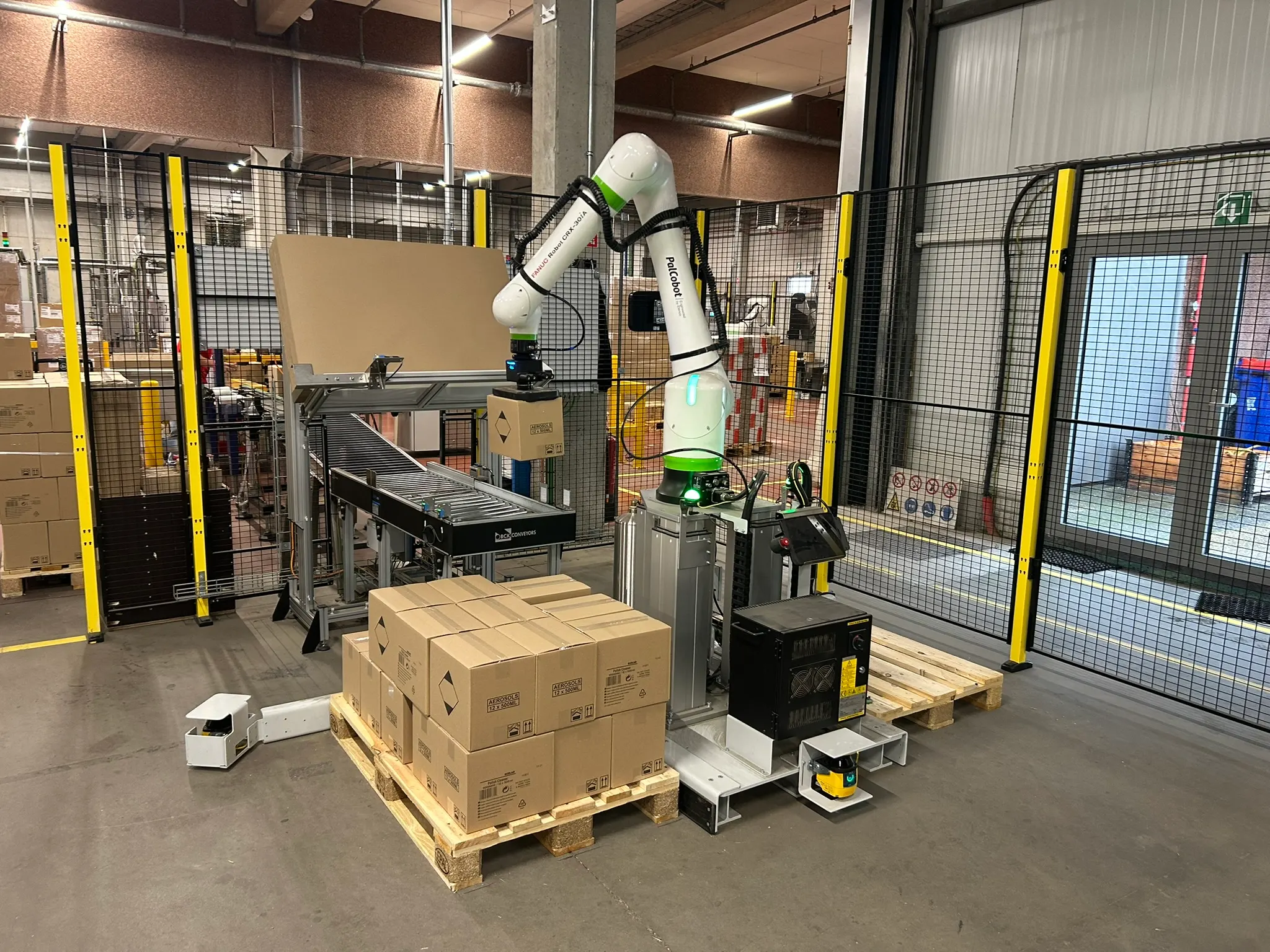
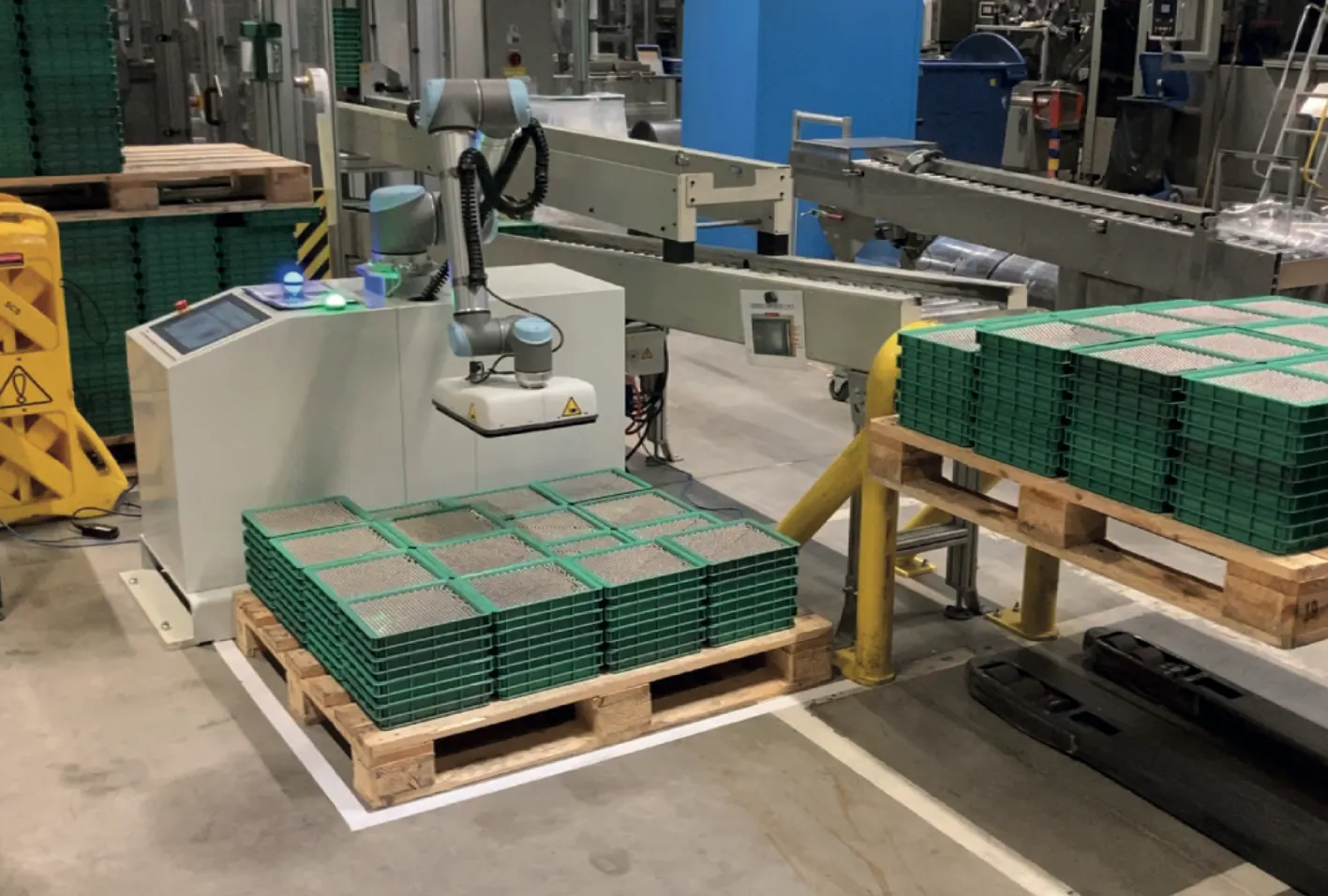
Palletising and depalletising
Unstacking boxes, bags or crates from pallets, or stacking them onto pallets? All pallet sizes are possible.
-
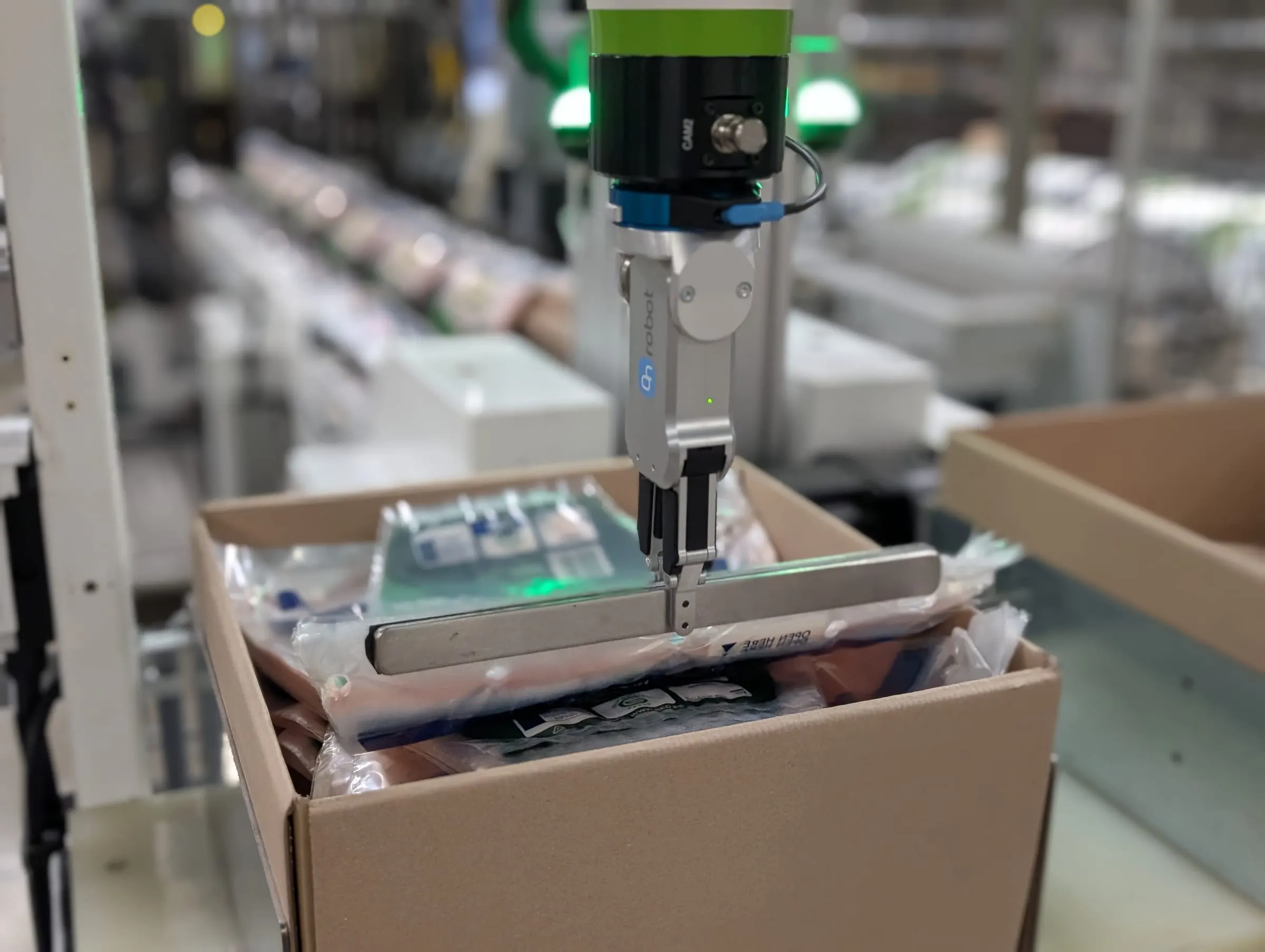
Folding and filling boxes
Erecting boxes, placing products or bags inside and closing the box, at the pace of your packaging line.
-
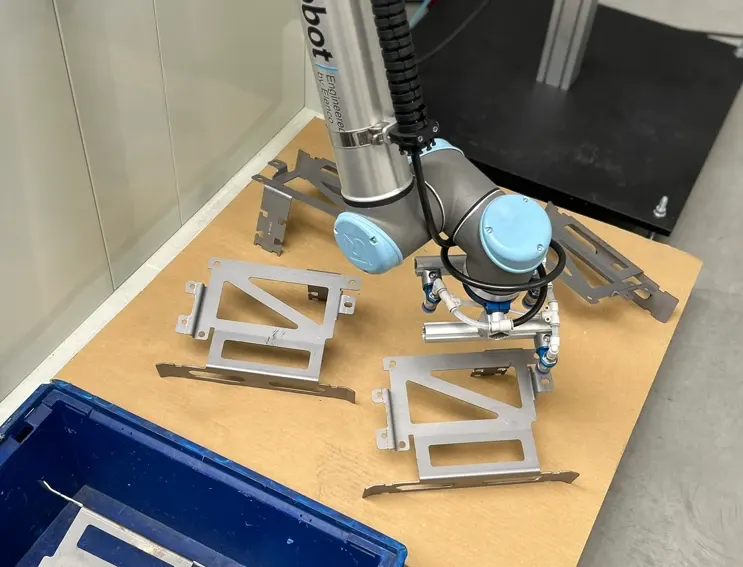
Pick & place tasks
Picking up products and placing them precisely, with a gripper tailored to all your products.
-
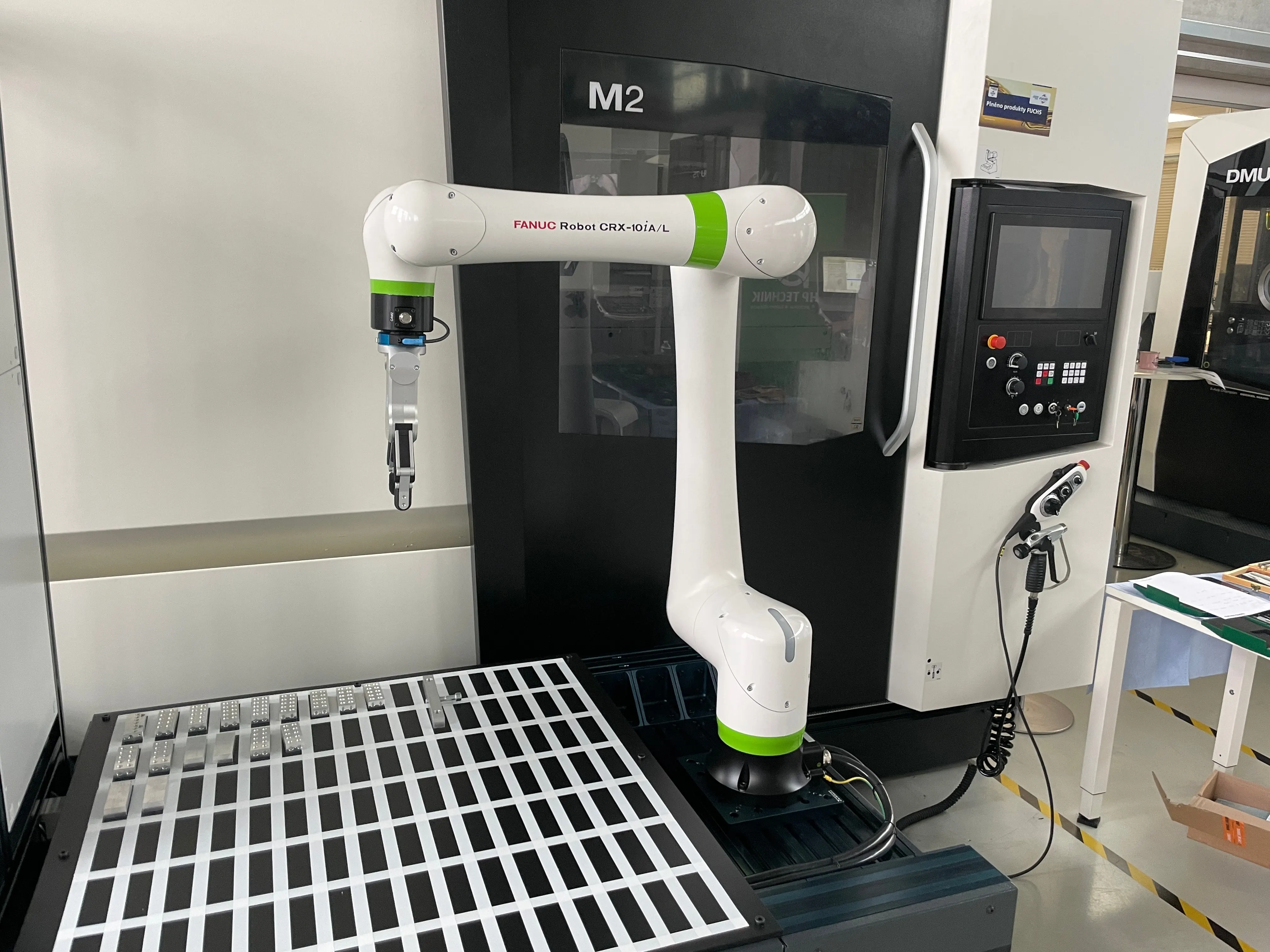
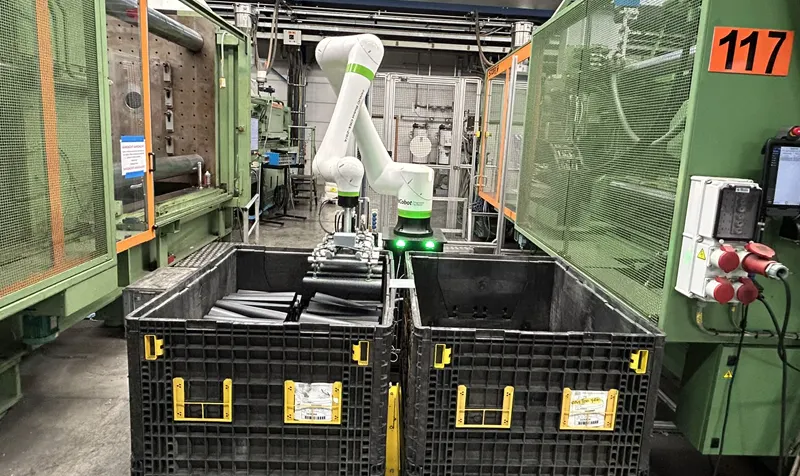
Machine loading and unloading
Tending your machine while your operator does something else. Even in tight spaces between machines.
-
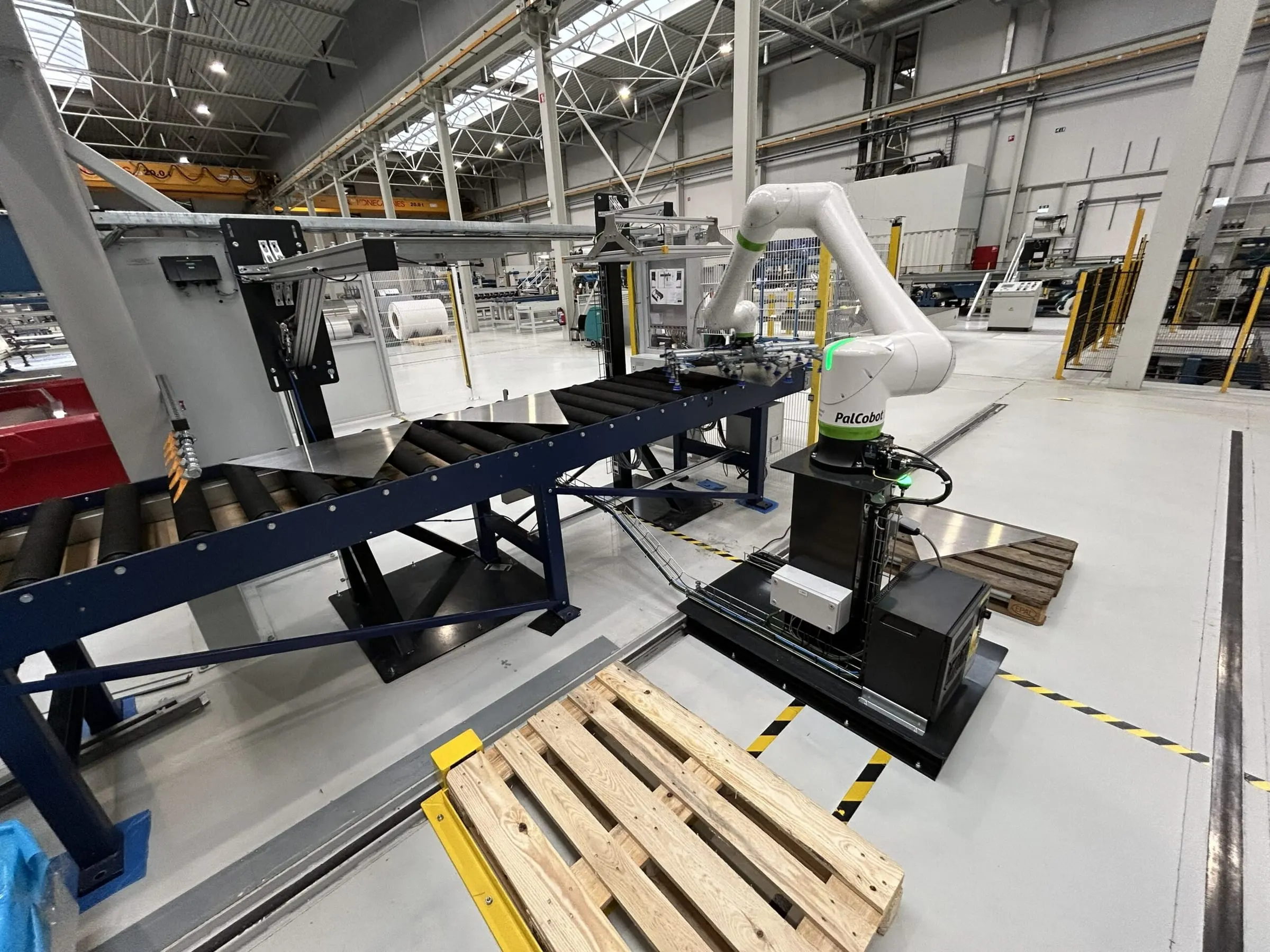
Cobot with integrated vision
A vision system can enable the cobot to detect the position and orientation of randomly placed products.
-
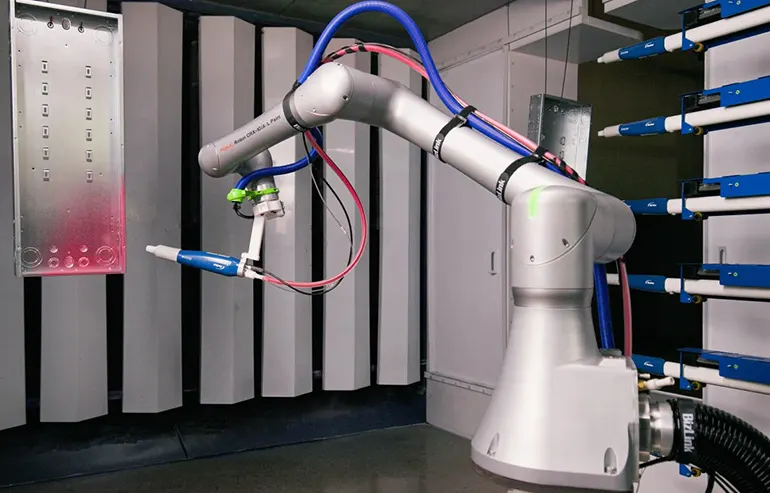
Sanding, grinding and painting
Sanding, polishing or coating without exposing your operators to dust, paint fumes or vibrations.
Our expertise
Elenco, your expert in collaborative robots for (de)palletising
We put our expertise in cobots and collaborative robot safety into practice with our own solution: the PalCobot palletiser. As standard, our PalCobot comes equipped with a vacuum gripper designed to handle cardboard boxes. Need something more specific? We tailor the solution to your application and production requirements, with options such as an additional vision system or a custom-designed gripper to handle different products and packaging types.
Operating the PalCobot is simple and intuitive. Operators can control the system via the touchscreen integrated into the frame or access it remotely through the web-based interface. Our user-friendly palletising software allows you to configure stacking patterns without writing a single line of code. You can also save and reuse patterns in the built-in library, making it easy to switch between products and pallet configurations.
Projects
that push
boundaries
-
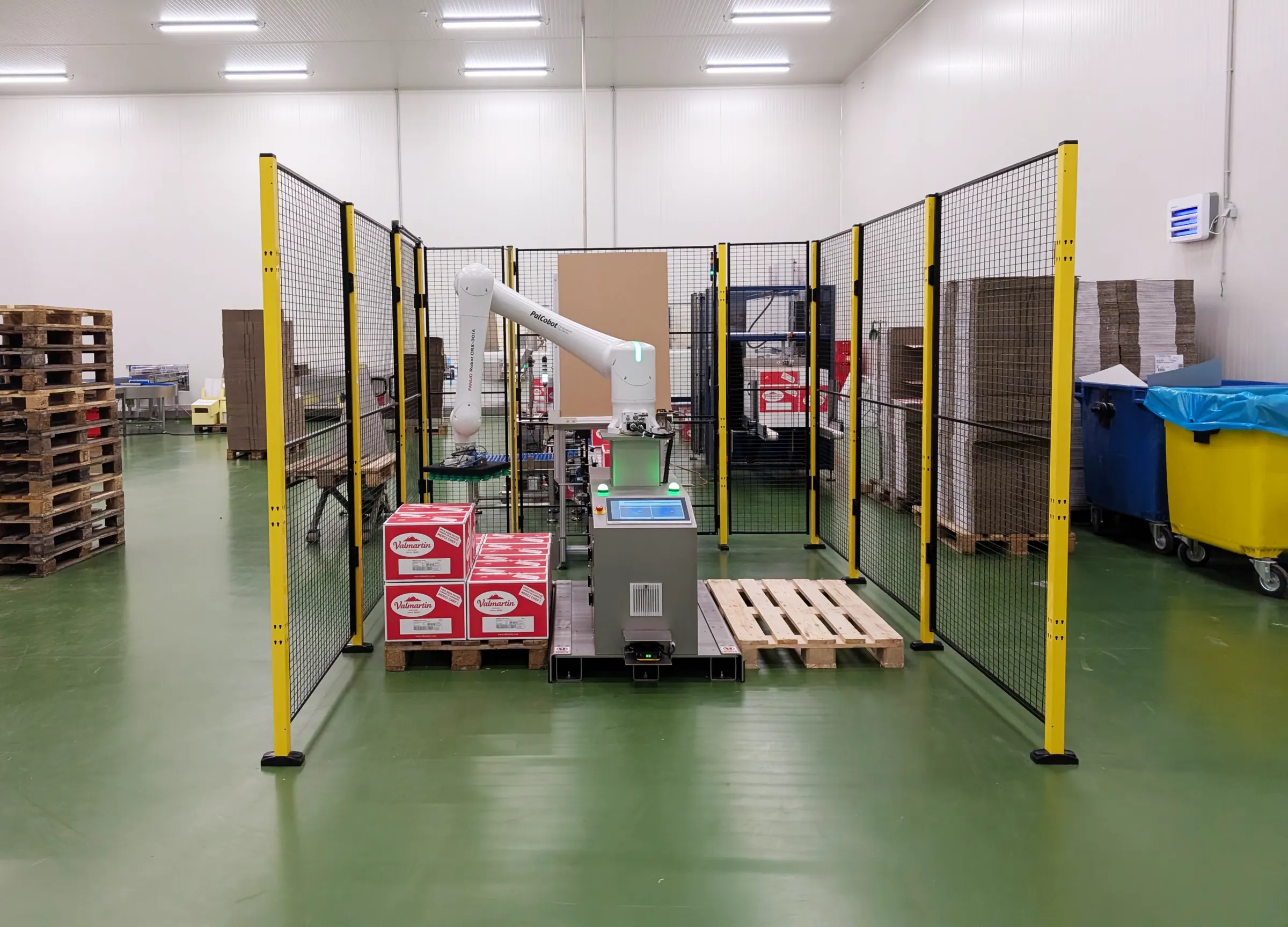
- Food & beverages
- Collaborative robots
Efficient palletising in the food industry: a compact PalCobot solution for F.F.P. NV
-
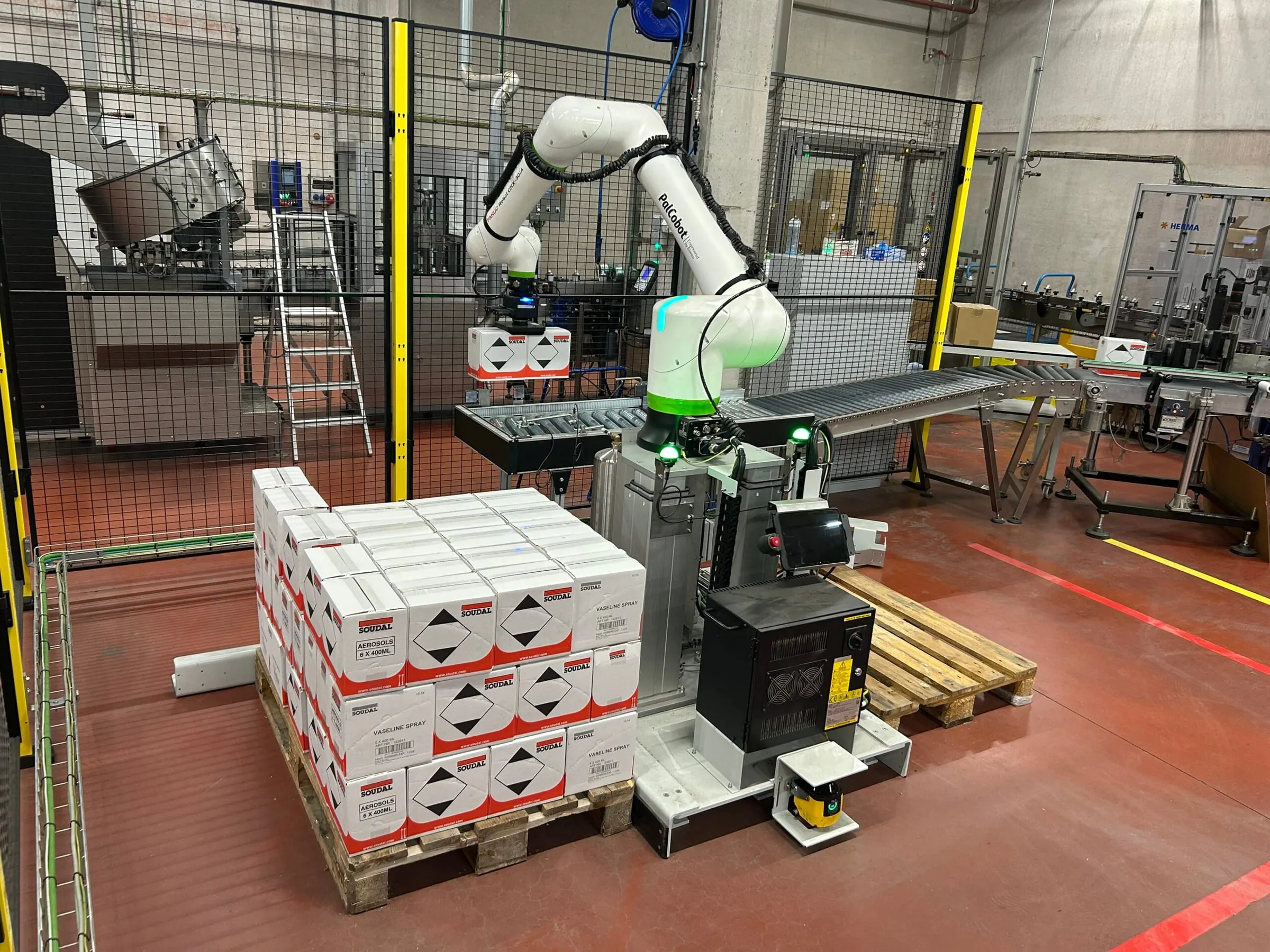
- Building & construction
- Consumer goods
- Collaborative robots
High-mix, low-volume cobot palletiser at Aerotrim
-
- Building & construction
- Collaborative robots
- Vision and measurement systems
Flexible stacking of CNC-milled metal shapes with cobot & vision at Decomecc
-
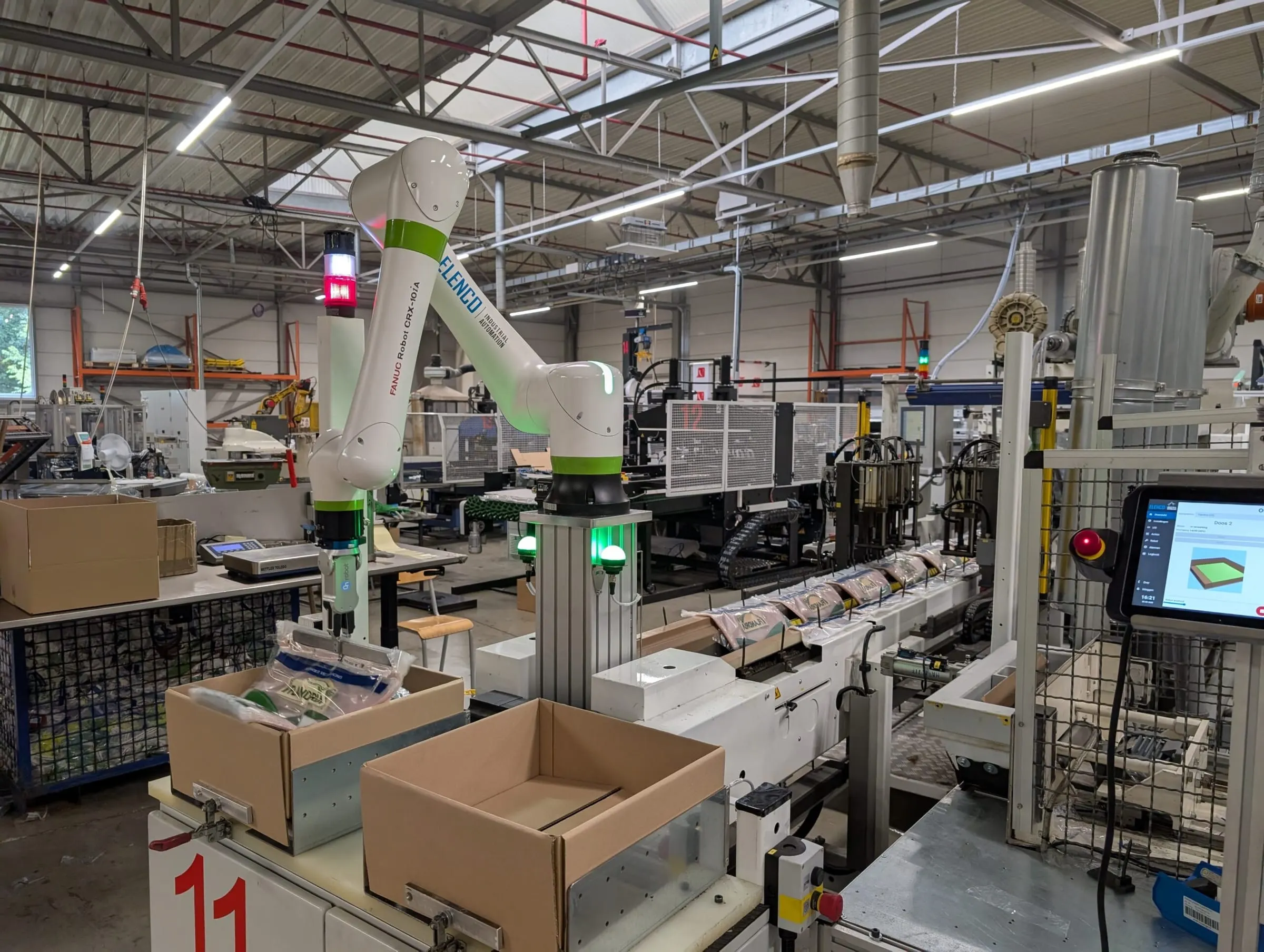
- Consumer goods
- Food & beverages
- Printing industry
- Collaborative robots
More efficient packaging at Alpagro thanks to a cobot installation!
-
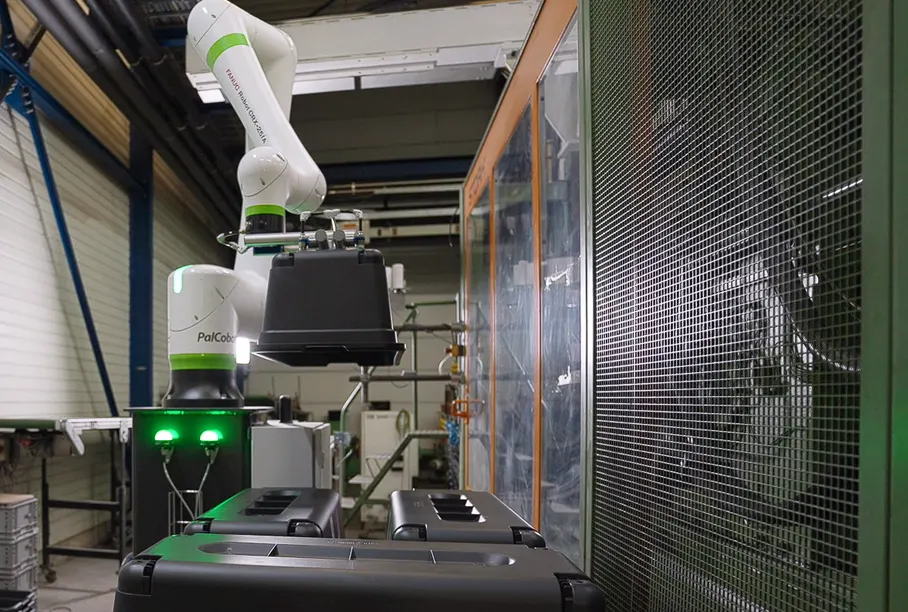
- Consumer goods
- Collaborative robots
Production automation at Jumi Plastics: 3 cobot palletisers
-
- Food & beverages
- Vision and measurement systems
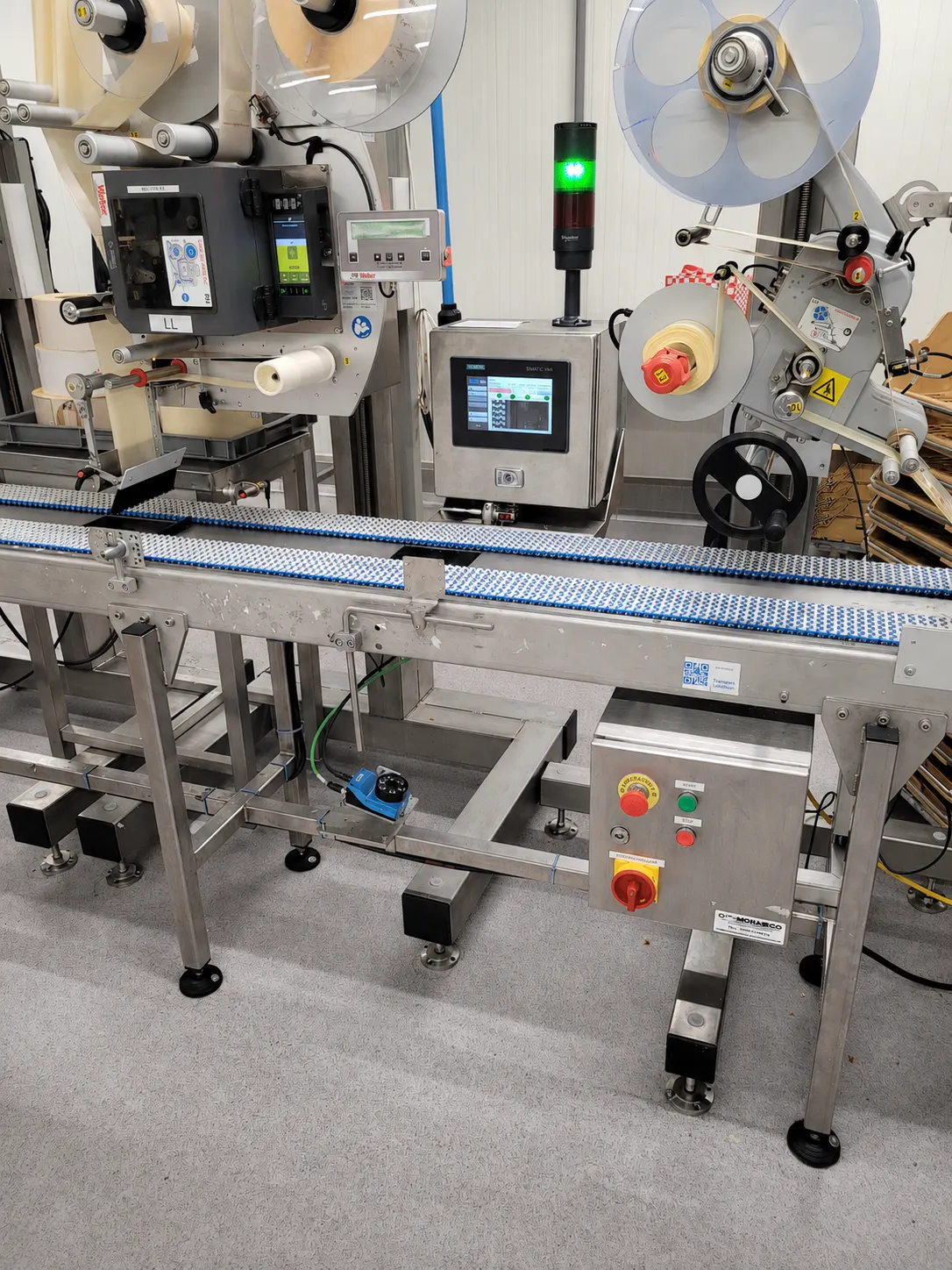
Smart label inspection at La Lorraine
-
- Consumer goods
- Industrial electrical engineering
- PLC / PC programming
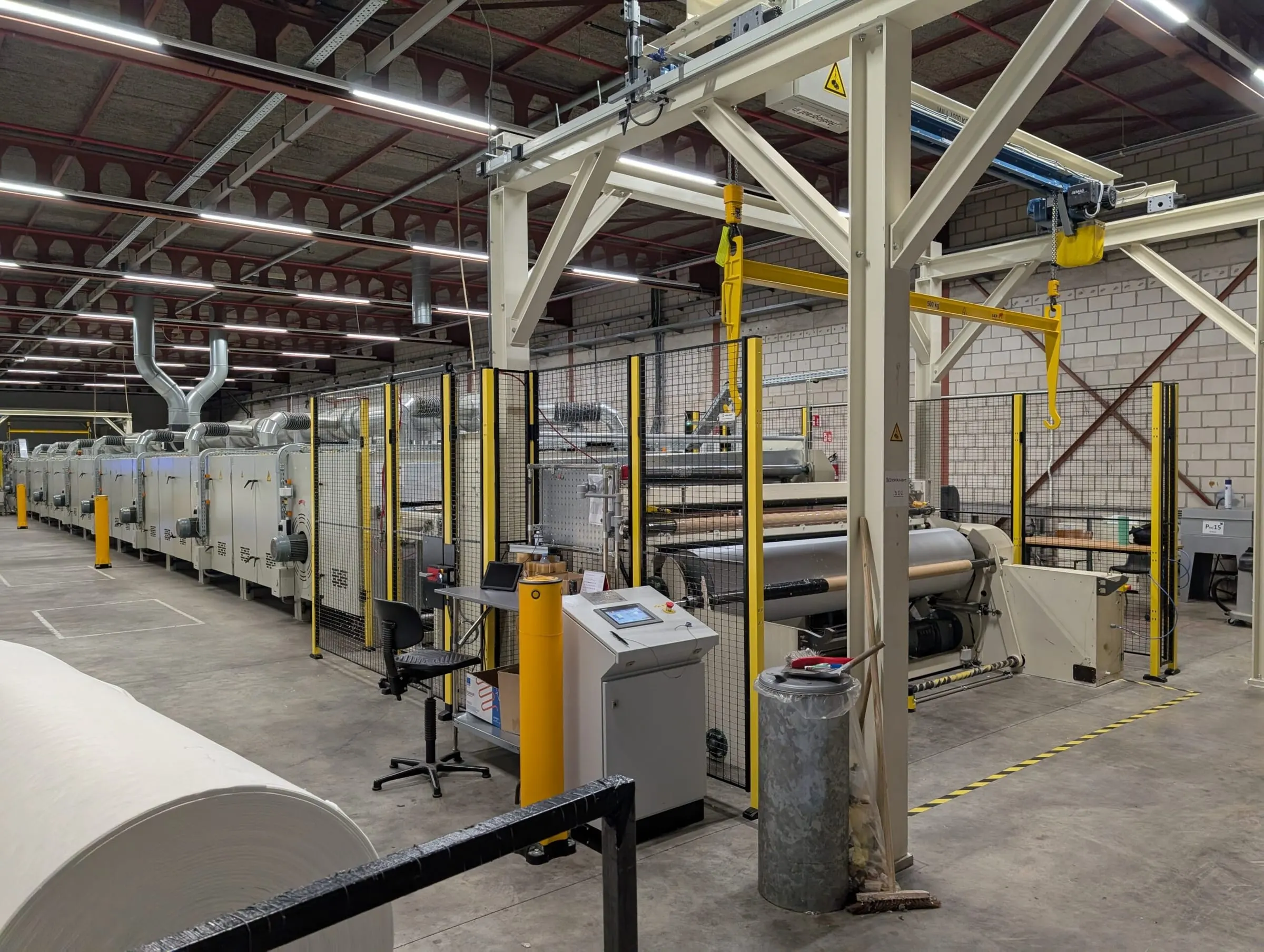
Hydrocharger safety upgrade according to ISO 13849-1: from analysis to implementation!
-
- Building & construction
- PLC / PC programming
- Vision and measurement systems
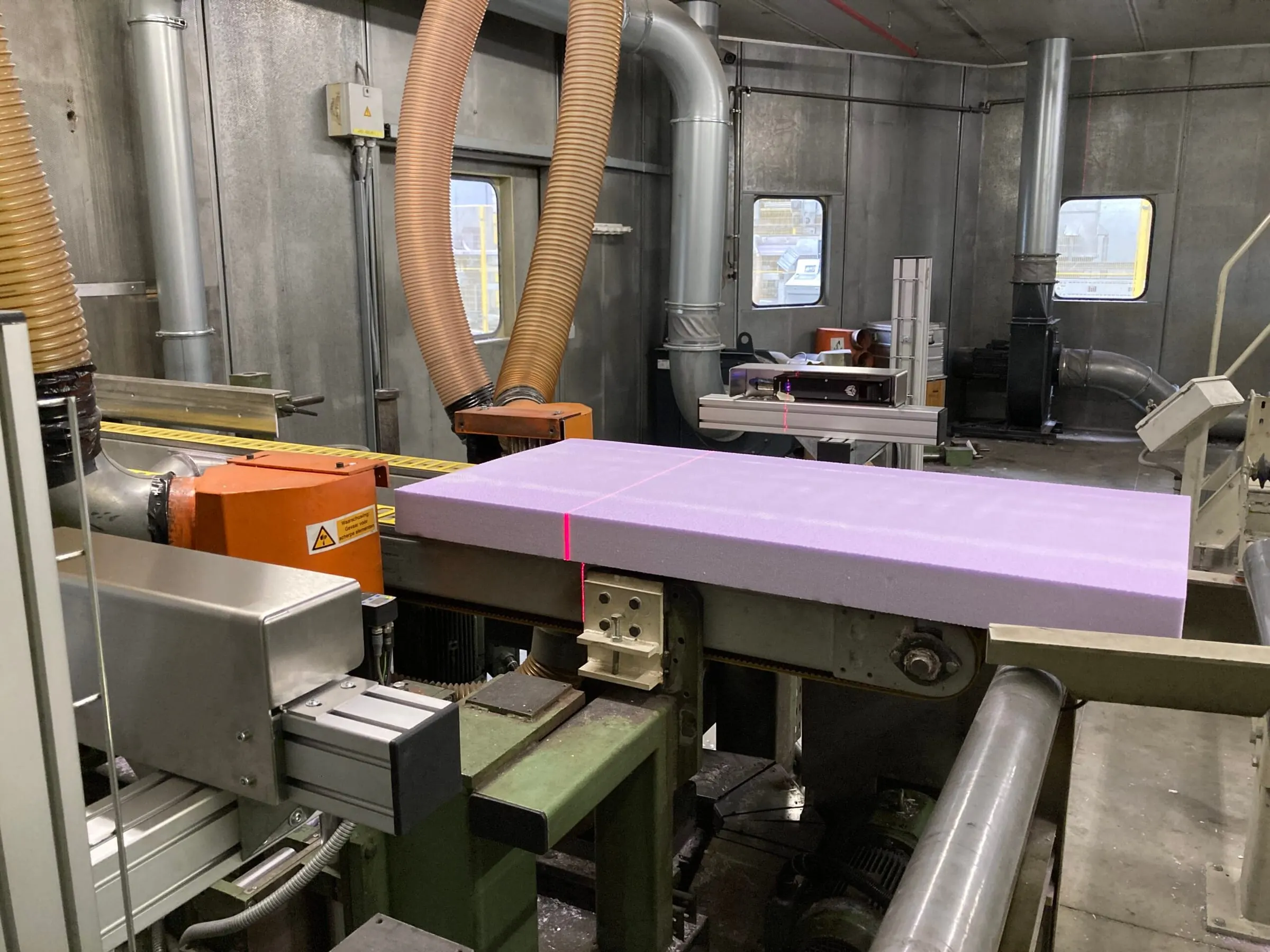
3D vision system at JACKON Insulation
Industries
Expertise in your industry
- Pharma
- Food & beverages
- Construction and manufacturing
- Consumer goods
- Recycling & waste processing
- Printing industry
Is your sector not on the list above? We may still be able to help you. Contact us for more information.
Frequently asked questions
Questions about cobots
Here you'll find answers to the questions customers ask us most often about collaborative robots. Is your question not listed? Our experts are happy to help.
-
What is the difference between a cobot and an industrial robot?
A cobot is designed to work safely alongside people. It has built-in safety functions and force sensors, and it stops or slows down when it feels resistance. An industrial robot lacks these functions and therefore always works in a fully guarded zone.
Industrial robots are faster and can handle heavier loads. Cobots are used for tasks a person could also do by hand, but which are highly repetitive, heavy or physically demanding.
-
Can you simulate a production line in advance?
We model your production line in Visual Components, 3D simulation software for robotics and automation. That way we calculate the cycle time, determine the footprint of your end-of-line or assembly line and check whether the cobot can reach every position. You see in advance what the installation looks like and how it works, before anything is built. That makes the investment decision easier and avoids surprises at start-up. Curious about your line? Request a simulation.
-
Is safety fencing mandatory around a cobot?
Not always. The cobot itself is designed to work safely with people, but we always look at the complete application: what the cobot is holding, how fast it moves, the shape of the gripper and how often operators come near it.
That is why we carry out a risk assessment at the start of every project. Safety scanners that slow the cobot down as soon as someone approaches are often enough. In a busy environment we sometimes combine scanners with fencing, so the cobot can keep working at full speed.
-
How fast does a cobot work?
A cobot’s movement speed typically ranges from 100 mm/s to 1000 mm/s. In collaborative mode, a cobot moves at a maximum of 250 mm/s (depending on factors such as the gripper design and the product the gripper is holding …). At this speed, injuries are avoided in the event of a collision. Safety scanners allow that speed to be increased. As soon as an operator enters the scanner’s safety field, the cobot automatically switches back to the safe speed. To determine the maximum movement speed, we carry out a safety analysis for every cobot installation.
-
Do you need to be able to program to use a cobot?
No. With the free drive function you move the cobot arm by hand to the desired position, and with the teach pendant you teach it simple pick & place movements, without a single line of code.
For more complex applications we develop custom software, such as our PalCobot software that lets operators create stacking patterns themselves.
-
Which tasks are commonly performed by cobots?
Cobots automate a wide range of tasks, including palletising, packaging, machine tending and pick-and-place operations. They can also perform assembly, screwdriving, welding, sanding and spraying. Combined with a vision system, cobots can even identify and pick up randomly positioned products, making automation more flexible and versatile.
-
Can a cobot be moved to another location?
Thanks to its small footprint, a cobot usually stands on a pedestal or a custom frame that is easy to move. A cobot can also be mounted on an AMR (Autonomous Mobile Robot), so it drives to different workstations on its own.
-
Does a cobot replace an operator?
In some cases it does, but a cobot was originally developed to work together with operators. Cobots take over difficult, dirty, heavy or repetitive work, so operators are free for tasks that require more insight and craftsmanship. This also helps improve ergonomics on the shop floor.
-
Do you provide a CE certificate with a cobot installation?
For every cobot installation, we compile a CE file in accordance with the Machinery Regulation (EU) 2023/1230. On delivery, you receive a valid CE certificate for the complete installation.
+30
Years of
experience+750
Completed
projects+150
Satisfied
customers+200
Innovative
cobot and camera projects